94
lemongrass tea
based on 1644 reviews
Your savings will grow with each shipment. Save 5% now, and up to 15% in the future. Please select size:
sample
makes 5 cups
$2
1.5oz
37¢ per cup
$7
8oz
14¢ per cup
$14
teabags
15 full leaf pyramids
$7
A native of Southeast Asia, lemongrass was introduced to the American palate with the growing popularity of Thai cuisine — where it is an essential ingredient in soups, curries, and teas. In the garden it is known as citronella grass, the source of citronella oil used in candles and insect repellents. In the cup, that association is irrelevant: as a flavour, lemongrass is light and citrusy with just the right amount of zing.
Steeped as a tea, it has a delicate Meyer lemon taste with a hint of sweet ginger and a very aromatic floral fragrance. Smooth and fragrant, soft mouthfeel, clean finish. Greatly uplifting and naturally caffeine-free. Reviewers call it a "liquid lemon drop" — and many find it the most versatile blending ingredient in the herbal collection, brightening green, white, black, chai, and fruity herbals alike.
Steeped as a tea, it has a delicate Meyer lemon taste with a hint of sweet ginger and a very aromatic floral fragrance. Smooth and fragrant, soft mouthfeel, clean finish. Greatly uplifting and naturally caffeine-free. Reviewers call it a "liquid lemon drop" — and many find it the most versatile blending ingredient in the herbal collection, brightening green, white, black, chai, and fruity herbals alike.

TEA TYPE
Herbal Tea

CAFFEINE
No caffeine
Herbal teas are naturally caffeine-free unless blended with tea, mate, or another caffeinated ingredient.

STEEP
212° for 5-10 mins
Steep longer for a fuller infusion and more pronounced botanical flavor.
Customer Reviews (1644)
Teabags
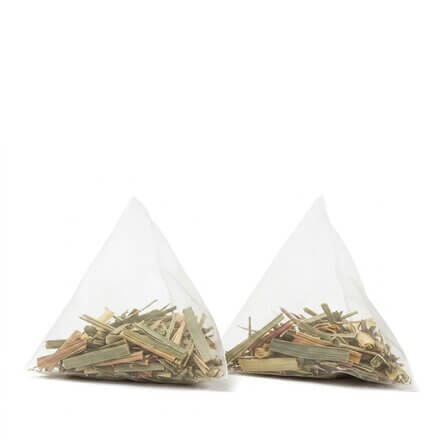
teabags
15 full leaf pyramids
$7
Lore
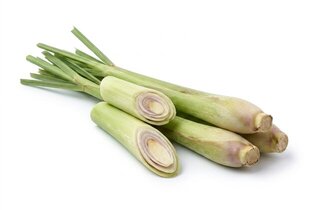
Lemongrass is a tall, grassy plant with a lemony flavor and scent. Also known as citronella grass, it is a natural source of citronella oil, a common ingredient in both soaps and perfumes. Citronella oil is also used in citronella candles, a common remedy against mosquitoes in summer, though you can also grow lemongrass in your landscaping for a similar effect. If you're not a citronella fan, however, have no fear. As a flavor, lemongrass is light and citrusy, with just the right amount of zing.
Raw Honey for Herbals
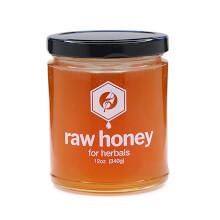
12oz
honey for garden herbals
$9
Part of herbal garden sampler
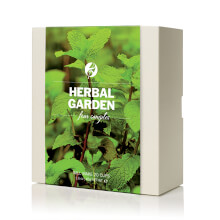
herbal garden
will make 20 cups
$12
What Is Lemongrass Tea?
Lemongrass Tea is an herbal infusion made from the dried stalks of the lemongrass plant (Cymbopogon citratus) — a tall, fast-growing, perennial grass native to tropical and subtropical regions of Southeast Asia. It is one of the most widely used herbs in Southeast Asian cuisine, featuring prominently in Thai, Vietnamese, Indonesian, Malaysian, and Sri Lankan cooking, where its fresh, citrusy-floral character lifts soups, curries, marinades, and drinks.
With a score of 94 from 1,644 customers, Lemongrass Tea is the brightest and most citrusy of the four teas in Adagio's Herbal Garden Sampler — the counterpoint to Chamomile's warm apple-floral calm and the two mints' cooling intensity. It is also the most blending-friendly herbal in the Sampler: reviewers consistently identify it as the ingredient that transforms other teas rather than simply replacing them.
Lemongrass and Citronella: Why They're the Same Plant, But Not the Same Experience
The Lore section directly addresses the most common source of buyer hesitation: "Also known as citronella grass, it is a natural source of citronella oil, a common ingredient in both soaps and perfumes. Citronella oil is also used in citronella candles, a common remedy against mosquitoes."
The reassurance the Lore immediately provides is accurate: "If you're not a citronella fan, however, have no fear. As a flavour, lemongrass is light and citrusy, with just the right amount of zing."
The distinction worth understanding: the concentrated citronella oil extracted from lemongrass — used in candles, insect repellents, and soaps — has a strong, sharp, somewhat chemical-adjacent character that gives "citronella" its reputation. Lemongrass as a food and tea ingredient is an entirely different experience: the fresh stalk steeped in water releases the gentler citrus and floral aromatics of the lemongrass plant at low, pleasant concentrations. The insect-repellent quality of citronella oil requires high concentrations of specific compounds; a cup of lemongrass tea delivers none of those concentrations. You will not smell like a citronella candle. You will taste a bright, clear, slightly gingery lemon.
Lemongrass and Thai Cuisine: How This Herb Came to the West
The product description identifies Thai cuisine as the vehicle through which lemongrass reached the American palate — and this is accurate as cultural history:
Lemongrass has been central to Southeast Asian cooking for thousands of years, particularly in Thai cuisine where it appears in Tom Kha Gai (coconut milk soup), Tom Yum (spicy lemon soup), green and red curries, and the countless lemongrass-infused drinks and teas of the region. As Thai restaurants expanded across the United States and Europe from the 1980s onward, lemongrass became the herb most associated with Thai food's distinctive bright, citrusy-herbal character.
The lemongrass tea tradition is older than the restaurant trend — in Thailand, lemongrass tea (nam takrai) is a common household drink, served hot or iced, with or without sweetener, as everyday hydration rather than ceremonial occasion. The Adagio Lemongrass Tea brings that everyday Southeast Asian tradition into the Western loose leaf herbal range.
Lemongrass Tea Flavour Profile
- Meyer lemon — the primary flavour note. The Meyer lemon comparison in the product description is specific and accurate: not the sharp tartness of standard lemon, but the softer, more floral, slightly sweeter character of Meyer lemon — a round citrus sweetness rather than a sour punch. This is the defining quality that makes lemongrass tea immediately approachable.
- Hint of sweet ginger — a barely-there warmth underneath the lemon character. Not the sharp heat of raw ginger — a gentle, slightly warm, sweet-spicy undertone that gives the cup a small amount of depth without changing its essential brightness.
- Aromatic floral fragrance — the aromatic dimension that fills the room as the tea steeps. The steam from lemongrass at 212°F carries a distinctive uplifting fragrance that reviewers consistently note as one of the most pleasant steeping aromas in the herbal collection. The aroma is part of the lemongrass tea experience before the first sip.
- Pale to sunny yellow liquor — a bright, clear, warm yellow colour that reviewers describe as "beautiful" and "sunny." In a glass mug, the golden-yellow liquor communicates the lemon character visually before the flavour arrives.
- Liquid lemon drop — the review community's most evocative description. With a small amount of honey or sugar, lemongrass tea's citrusy sweetness and gentle tartness produce a warm beverage that reviewers compare to the cocktail — bright, sweet, citrusy, and slightly effervescent in its overall effect on the palate.
- Smooth, non-bitter, clean finish — lemongrass contains no tannins. No bitterness at any reasonable steep time. The clean finish is characteristic and consistent: after the Meyer lemon and ginger, the cup resolves into nothing unpleasant.
Lemongrass as the Herbal Collection's Most Versatile Blending Ingredient
The review community's most distinctive consensus about Lemongrass Tea is its blending versatility — reviewers specifically identify it as the ingredient that brightens and elevates other teas rather than simply adding a flavour on top:
- With green tea — lemongrass adds a citrusy brightness that lifts the vegetal quality of Japanese Sencha or the grassiness of Gunpowder without overwhelming the base tea character. One of the most natural and most commonly noted combinations in the reviews.
- With white tea — lemongrass's gentle citrus complements white tea's honeysuckle and grape character, adding a bright dimension without competing. The shared delicacy of both makes this one of the most elegant blending combinations.
- With black tea — lemongrass brightens the body of a black tea, adding a citrusy lift that converts a straightforward morning cup into something more interesting. Particularly effective with Earl Grey (amplifying the bergamot's citrus character) and with lighter Darjeelings.
- With chai — reviewers specifically note the chai combination. Lemongrass's citrus-floral character adds a bright top note to the spice-warmth of masala chai, producing a result that is both more complex and more refreshing than either ingredient alone.
- With other herbals — lemongrass brightens fruit-forward herbals (hibiscus, berry blends) and adds dimension to simpler single-ingredient herbals. It is the herb that reviewers reach for when another tea needs something without knowing precisely what.
The standard blending ratio: 1 part lemongrass to 2–3 parts base tea by weight, steeped together at 212°F for the same duration as the herbal (5–10 minutes). For blending with green or white tea, use the lower temperature appropriate to the tea base.
Lemongrass Tea and Thai Iced Tea
Lemongrass makes one of the most naturally suited herbals for iced tea preparation in the Adagio collection. The bright citrus and floral character translates beautifully to cold preparation:
- Hot-steeped and chilled — brew double-strength (2 teaspoons per 4oz at 212°F for 5–7 minutes), strain, pour over ice. The concentrated lemon character survives dilution by the melting ice. Add honey to taste while the tea is still warm, before chilling.
- Cold brewed — 2 teaspoons per 8oz cold water, refrigerate 8–12 hours, strain and serve over ice. Cold-brewed lemongrass is notably smoother and sweeter than hot-brewed, with the citrus character more prominent and the ginger note more subtle. One of the most refreshing cold brew herbals in the collection.
How to Brew Lemongrass Tea
- Water temperature — 212°F (100°C), fully boiling. Lemongrass is an herbal infusion — no tannins, no catechins to over-extract. Boiling water releases the full aromatic character.
- Leaf quantity — one heaping teaspoon (2–3g) per 8oz cup. The dried stalks are light and bulky; measuring by weight produces more consistent results.
- Steep time — 5–10 minutes. Five minutes produces a lighter, more delicate cup; ten minutes produces the fullest lemon character and the most pronounced ginger undertone. Unlike tannin-containing teas, extended steeping of lemongrass produces intensity rather than bitterness.
- Covered steeping — cover the cup during steeping. Lemongrass's volatile citrusy-floral compounds are highly aromatic and escape readily with steam. A covered cup retains the full aromatic character in the liquid.
- With honey — a small amount of raw honey amplifies the floral sweetness and produces the "liquid lemon drop" character reviewers praise. Honey and lemongrass share aromatic registers; the combination is particularly natural.
- As a blending ingredient — see the blending section above. Lemongrass can be blended with nearly any base tea before steeping; the standard proportion is 1 part lemongrass to 2–3 parts base.
Lemongrass Tea Caffeine Content
Lemongrass Tea contains zero caffeine — completely caffeine-free. The lemongrass plant (Cymbopogon citratus) is a grass, not a tea plant, and produces no caffeine. At any brew strength, any steep time, any preparation method, lemongrass tea is caffeine-free. This makes it suitable at any hour of day or evening, and particularly appropriate as a bright, uplifting daytime alternative to caffeinated beverages for buyers managing their caffeine intake without sacrificing the refreshing brightness of a citrus herbal.
Lemongrass Tea and the Herbal Garden Sampler
Lemongrass is one of four teas in the Herbal Garden Sampler alongside Chamomile, Peppermint, and Spearmint. In context, Lemongrass is the citrus member of the group — the bright, uplifting, Southeast Asian counterpoint to the apple-floral warmth of Chamomile and the cool-mint intensity of the two mints. Together the four teas cover the full range of classic herbal tea character: calming (chamomile), cooling/bold (peppermint), cooling/gentle (spearmint), and bright/citrusy/uplifting (lemongrass). At $12 for 20 cups across four styles, the Herbal Garden Sampler is the most efficient introduction to this full range. See the Herbal Garden Sampler.
Lemongrass Tea as a Gift
Lemongrass is the most unexpectedly impressive herbal tea gift in the Adagio collection — the one that surprises the most buyers who assumed it would taste like a candle. The combination of the beautiful aroma during steeping (fills the room), the sunny yellow liquor, the Meyer lemon character, and the blending versatility makes it a gift with practical utility well beyond the initial cup.
Available in a sample ($2, 5 cups), 1.5oz ($7, 18 cups, 37¢/cup), 8oz ($14, 97 cups, 14¢/cup), and pyramid teabags ($7, 15 bags). The 1.5oz pouch at $7 is the ideal gift size. For the complete Herbal Garden, the sampler at $12 for 20 cups across four teas is the most efficient way to deliver lemongrass in the context of its natural companions.
Buy Lemongrass Tea Online
Order Lemongrass loose leaf herbal tea online — pure lemongrass (Cymbopogon citratus), naturally caffeine-free, scored 94 by 1,644 customers, from 14¢ per cup. Free shipping on qualifying orders. Available in sample, 1.5oz, and 8oz loose leaf pouches and pyramid teabag format. Delivered from Adagio's New Jersey warehouse within one business day.