93
honeybush tea
based on 883 reviews
Your savings will grow with each shipment. Save 5% now, and up to 15% in the future. Please select size:
sample
makes 10 cups
$3
3oz
24¢ per cup
$9
16oz
15¢ per cup
$29
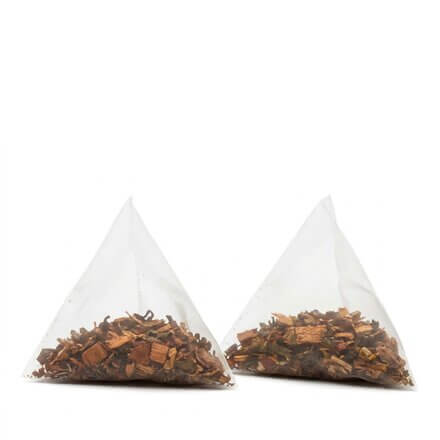
teabags
15 full leaf pyramids
$9
Honeybush (Heuningbos in Afrikaans, botanically Cyclopia) is a sibling of Rooibos, cultivated in South Africa's Eastern Cape region. A different plant, a different province, the same South African caffeine-free tradition. Its flowers smell of honey, earning this plant its sweet English name and its Afrikaans counterpart.
The taste is similar to rooibos, though arguably a little sweeter, and reviewers consistently describe it as less medicinal and more approachable than rooibos for buyers who find rooibos too earthy. Smooth, gentle roasted flavour with honey, vanilla, malt, and light floral notes. Slightly fuller-bodied than rooibos, with a clean, refreshing finish. Naturally caffeine-free, forgiving to over-steeping.
The taste is similar to rooibos, though arguably a little sweeter, and reviewers consistently describe it as less medicinal and more approachable than rooibos for buyers who find rooibos too earthy. Smooth, gentle roasted flavour with honey, vanilla, malt, and light floral notes. Slightly fuller-bodied than rooibos, with a clean, refreshing finish. Naturally caffeine-free, forgiving to over-steeping.

TEA TYPE
Herbal Tea

CAFFEINE
No caffeine
Rooibos is naturally caffeine-free, making it a good choice for evenings or anyone avoiding caffeine.

STEEP
212° for 5 mins
Rooibos is forgiving and can be steeped longer for a richer, smoother cup.
Customer Reviews (883)
Teabags
teabags
15 full leaf pyramids
$9
Lore
The honeybush was first cited by Etienne Pierre Ventenat in 1808, and is one of 20 members of the Fabaceae family of flowering legume plants. Honeybush has dozens of species in the wild, of which mainly several grow widely in South Africa. It's called Heuningbos in Afrikaans, the language of the Dutch settlers in South Africa) and also known botanically as Cyclopia or Ibbetsonia, named for the physiologist, Agnes Ibetson. Its taste is more like the leaves of its cousin, rooibos or red bush, but it is sweeter and fragrant as honey which is why the English name is honeybush.
Raw Honey for Rooibos
12oz
honey for rooibos & honeybush
$9
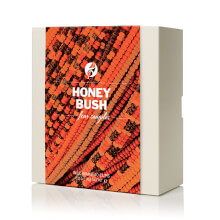
Part of honeybush teas sampler
honeybush teas
will make 40 cups
$14
Questions and Answers
Ask a question about honeybush and have the Adagio Teas community offer feedback.
how much tea for 1 cup
Asked by Geri Freedman
on November 6th, 2021
on November 6th, 2021
How well does this work for cold brewing/iced tea?
Asked by Kevin Fox
on April 26th, 2025
on April 26th, 2025
Meet our rooibos farmer, Niklaas Jakobus Slinger
To ensure the best quality and value, we import our teas directly from the countries in which they are grown, working closely with the farmers who tender them. Our Roots Campaign connects our customers with the rich stories and the farmers behind some of our most popular teas.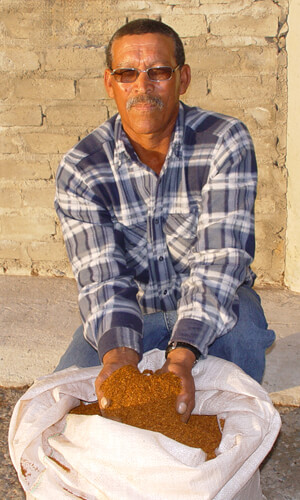
How long have you been growing tea?
“32 years. I started working as a laborer on a neighboring Rooibos Farm and for the past 14 years I have been growing Rooibos on my own farm.”
What got you started in the tea industry?
“I grew up on a Rooibos Farm. After I left home, I worked on different farms producing a wide variety of agricultural products, but my love for Rooibos and the area in which I grew up brought me back home. Since I was a small boy, I dreamed about owning my own Rooibos Farm and 14 years ago my dream came true with the help of my previous employer who helped me to loan money to purchase my own Rooibos farm.”
Can you describe a typical day out in the field? How many hours would that be?
“During Harvesting season (January - April), I leave home at 05:00 in the morning to turn the Rooibos fermentation heaps on the drying yard. I then go to the fields and start harvesting the Rooibos. At 10:00 I return to the drying yard to open the fermentation heaps and spread the Rooibos thin and evenly to dry. I then continue harvesting till we break for lunch at 12:30. After lunch (14:00) I take the harvested Rooibos to the drying yard for further processing. After cutting and bruising the tea is put into fermentation heaps around 18:00. After that we collect the dried Rooibos from the drying yard. My day ends at around 19:30. A typical working day is around 13 hours during harvesting season.”
What Is Honeybush Tea?
Honeybush Tea is an herbal infusion made from the dried stems, leaves, and flowers of the honeybush plant — a member of the Fabaceae family (the legume family that includes beans, lentils, and peas) native to the coastal and mountain fynbos regions of South Africa's Eastern Cape and Western Cape provinces. The plant's scientific genus is Cyclopia, though it is also known botanically as Ibbetsonia — the latter name honouring Agnes Ibetson, an 18th-century British physiologist who was among the first women to be recognised for contributions to botany. The first formal citation of honeybush in Western botanical literature was by the French botanist Etienne Pierre Ventenat in 1808.
Honeybush is closely related to rooibos — both are South African, both are caffeine-free, both are members of the fynbos biome, and both produce a reddish-brown infusion. The key difference is geography and character: rooibos grows in the Cederberg Mountains of the Western Cape; honeybush grows in the Eastern Cape. Rooibos is earthier and slightly more astringent; honeybush is sweeter, more floral, and more honey-forward. The "bush" in both names refers to the low-growing shrub form both plants take in the wild.
Honeybush vs. Rooibos: South Africa's Two Caffeine-Free Traditions
The comparison most buyers make when approaching honeybush for the first time:
- Rooibos (Red Bush) (scored 93, 1,318 reviews, from 12¢/cup) — Cederberg Mountains, Western Cape. Earthy, nutty, fruity, with occasional vanilla and caramel tones. Slightly more astringent. The more widely known of the two. The most versatile caffeine-free blending base in the Adagio catalog. See Rooibos Tea.
- Honeybush (scored 93, 883 reviews, from 15¢/cup) — Eastern Cape. Sweeter, more honey-forward, less earthy, less medicinal. Honey, vanilla, malt, and light florals. Fuller-bodied than rooibos. Reviewers consistently describe it as "less medicinal" and "more mellow" than rooibos. The sweeter alternative for buyers who find rooibos too earthy or slightly bitter.
Both are scored 93 by their respective review bases. Both are caffeine-free, both brew at 212°F, both make excellent blending bases. The practical guide: rooibos for the earthier, nuttier, more complex South African herbal experience; honeybush for the sweeter, honey-fragrant, more immediately approachable alternative.
The Name: Heuningbos, Cyclopia, and Why It Smells of Honey
The name "honeybush" is a direct translation of the Afrikaans Heuningbos (heuning = honey, bos = bush). The name predates Western botanical documentation — the KhoiSan and Xhosa peoples of South Africa's Eastern Cape used honeybush long before the first European botanical citation in 1808.
The honey fragrance that gives honeybush its name comes from the flowers of the Cyclopia plant, which produce a distinctively sweet, honey-like scent. This fragrance transfers partially into the dried leaf and stem material used in tea — producing the characteristic honey note in the cup that distinguishes honeybush from rooibos even before the first sip.
The botanical name Cyclopia refers to the arrangement of the plant's flowers; Ibbetsonia honours Agnes Ibetson (c. 1757–1823), a British physiologist and botanical illustrator who made significant contributions to understanding plant physiology in the early 19th century. The naming of a botanical genus after a woman was unusual for the period — a small recognition of her work that has been preserved in the scientific literature ever since.
The Fermentation Process: Why Honeybush Is Brown, Not Green
Like rooibos, honeybush undergoes a traditional fermentation (oxidation) process after harvesting that transforms its colour from green to the characteristic deep reddish-brown. Niklaas Jakobus Slinger's daily schedule describes the specific steps: cutting and bruising the fresh plant material, piling it into fermentation heaps, turning those heaps to manage oxidation, spreading to dry, and collecting the finished dried material.
This fermentation process — similar in concept to the oxidation that produces oolong and black tea from the tea plant — develops the characteristic flavour compounds of both rooibos and honeybush. The honey notes, the caramel warmth, the gentle toasty character all emerge during fermentation rather than being present in the fresh plant material. Unfermented (green) honeybush exists as a product category with a more delicate, grassier character; the fermented version is what Adagio sells, and it is the form most widely consumed in South Africa and internationally.
Honeybush Tea Flavour Profile
- Honey sweetness — the defining and most immediately distinctive quality. The natural honey character that gives honeybush its name is present in the brewed cup as a warm, floral sweetness that comes from the plant's own compounds rather than from any added ingredient. More present than in rooibos.
- Vanilla and caramel tones — reviewers consistently identify a warm, slightly sweet vanilla-caramel dimension that makes honeybush feel inherently comforting without any additions. This character is what most distinguishes honeybush from rooibos's earthier, nuttier profile.
- Malt and hay — a warm, slightly grain-adjacent quality from the fermented plant material. Not as pronounced as rooibos's earthiness — softer, more hay-like and golden.
- Light florals — a background floral quality from the Cyclopia plant's aromatic compounds, carrying some of the honey-flower character into the cup.
- Deep red liquor — similar to rooibos's characteristic colour. A warm, dark reddish-amber that is beautiful in a glass vessel and signals the fermented plant character.
- Less medicinal than rooibos — the review community's most practically useful comparison. Rooibos can have a slightly medicinal, slightly astringent quality that some buyers find challenging; honeybush consistently receives the review characterisation "less medicinal, more mellow."
Honeybush as a Caffeine-Free Blending Base
The review summary identifies honeybush's "primary" role as "a versatile base for blends that adds cozy sweetness and body without caffeine" — and this is its most commercially distinctive quality beyond the standalone cup:
- With fruit herbals — honeybush's honey sweetness amplifies the fruit character of berry, stone fruit, and tropical blends without the slightly medicinal background note that rooibos can add. The most natural sweet-warm base for fruit-flavoured herbal blends.
- With vanilla and cream — the Honeybush Vanilla in the Honeybush Teas Sampler demonstrates this pairing: honeybush's own warm sweetness and vanilla additions are naturally aligned, producing a result that is more than the sum of its parts.
- With nut flavours — the Honeybush Hazelnut in the sampler: the malty, slightly hay-like quality of honeybush complements roasted nut flavours specifically because they share the warm, toasted-grain aromatic register.
- For caffeine-free versions of richer blends — any blend calling for a warm, sweet, non-caffeinated base benefits from honeybush. For buyers who enjoy chai-style warmth without caffeine, honeybush provides the body and sweetness that makes spice blends satisfying without the stimulant load of black tea.
How to Brew Honeybush Tea
- Water temperature — 212°F (100°C), fully boiling. Like rooibos, honeybush is not a true tea and contains no catechins to over-extract. Boiling water produces the fullest flavour without any risk of bitterness.
- Leaf quantity — one heaping teaspoon (2–3g) per 8oz cup. Honeybush material is lighter than it looks; generous measure produces the richest golden-honey cup.
- Steep time — 5 minutes, or longer. The product panel notes that rooibos "is forgiving and can be steeped longer for a richer, smoother cup" — this applies equally to honeybush. The review community confirms "forgiving to oversteeping." Ten minutes at 212°F will produce a deeper, richer cup without bitterness.
- With honey — a small amount of the Raw Honey for Rooibos amplifies honeybush's own honey character in the most direct way possible: honey meeting honey, warm floral sweetness doubling in the cup. The combination is one of the most naturally integrated pairings in the Adagio herbal range.
- Iced — honeybush cold brews and iced-steeps beautifully. The honey sweetness translates well to cold preparation; cold-brewed honeybush is one of the most naturally sweet and most refreshing caffeine-free iced herbals available.
Honeybush Tea Caffeine Content
Honeybush Tea contains zero caffeine — completely caffeine-free. The honeybush plant (Cyclopia) is a member of the Fabaceae family and contains no caffeine whatsoever. This makes honeybush an evening and bedtime tea as naturally as chamomile, without any processing or modification required. Combined with its warm, sweet, honey-comfort character, zero caffeine makes honeybush one of the most naturally suited herbal teas for evening drinking in the Adagio catalog.
Honeybush Tea and the Honeybush Teas Sampler
Honeybush is one of four teas in the Honeybush Teas Sampler alongside Honeybush Hazelnut, Honeybush Mango, and Honeybush Vanilla. The sampler demonstrates the full range of what honeybush's sweet, honey-warm base can become when paired with three different flavour additions: nut warmth (hazelnut), tropical brightness (mango), and creamy dessert sweetness (vanilla). At $14 for 40 cups across four teas, the Honeybush Teas Sampler is the most efficient way to understand honeybush both as a standalone tea and as the base it becomes when flavoured. See the Honeybush Teas Sampler.
Honeybush Tea as a Gift
Honeybush is the most naturally sweet and most universally approachable herbal tea gift in the Adagio rooibos range — the one that works for recipients who find rooibos a little too earthy or who encounter "red bush tea" and aren't sure they'll like it. The combination of the beautiful name ("honeybush" is immediately appealing), the honey-forward character, the zero caffeine, and the 883 reviews at 93 make it a confident gift recommendation for anyone who drinks herbal tea.
Available in a sample ($3, 10 cups), 3oz ($9, 37 cups, 24¢/cup), 16oz ($29, 193 cups, 15¢/cup), and pyramid teabags ($9, 15 bags). The 3oz pouch at $9 is the ideal gift size. For the complete honeybush exploration, the Honeybush Teas Sampler at $14 for 40 cups places the plain honeybush in context alongside its three flavoured companions. For the rooibos comparison, pair with Rooibos Tea — the two South African caffeine-free traditions side by side.
Buy Honeybush Tea Online
Order Honeybush loose leaf tea online — South African Eastern Cape honeybush (Cyclopia), naturally caffeine-free, scored 93 by 883 customers, from 15¢ per cup. Free shipping on qualifying orders. Available in sample, 3oz, and 16oz loose leaf pouches and pyramid teabag format. Delivered from Adagio's New Jersey warehouse within one business day.