Best Caffeine-Free Evening Teas: Flavors & Brewing Guide
October 23, 2026
The best caffeine-free evening tea is one that suits both your palate and your routine. Chamomile offers gentle floral sweetness, peppermint brings a clean, cooling finish, and rooibos provides a fuller, naturally sweet cup. All three are naturally free of caffeine, making them appealing choices when the day is winding down.
But the evening is a long stretch of territory. A tea enjoyed after dinner need not be the same one you reach for before bed. Some evenings call for something bright and refreshing; others deserve a little warmth and indulgence. Fortunately, the herbal cupboard has considerably more range than its quiet reputation suggests.

What Makes an Evening Tea Caffeine-Free?
Traditional black, green, white, and oolong teas all come from the Camellia sinensis plant and naturally contain caffeine. Herbal infusions, by contrast, are prepared from flowers, leaves, fruits, roots, and other botanicals. Chamomile, peppermint, rooibos, and honeybush are naturally caffeine-free, without requiring any decaffeination process.There are exceptions to the herbal rule. Yerba mate, for example, contains caffeine, and some herbal blends include traditional tea leaves. Always check the ingredients when avoiding caffeine is important. Decaffeinated black or green tea is another option, but it may retain small amounts of caffeine.
Which Caffeine-Free Tea Should You Drink in the Evening?
Begin with flavor rather than promises about sleep. These six Adagio teas offer different experiences, from delicate and floral to rich and dessert-like. Each is listed as containing no caffeine.Tea
Flavor Profile
Steep
Best For
All six teas are brewed with boiling water at 212°F (100°C). Steep times follow Adagio's product recommendations; adjust within the suggested range to taste.
Chamomile and Peppermint: Two Very Different Classics
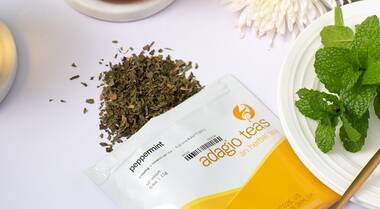
Chamomile is the familiar soft-spoken member of the herbal family. Its golden infusion carries the aroma of freshly cut apples and a delicate floral sweetness. It suits anyone who prefers a gentle cup without assertive spice or tartness. A little honey can enhance its natural character, although it hardly requires assistance.Peppermint takes the opposite approach. Its unmistakable cooling sensation and brisk aroma make it a refreshing choice after dinner, especially when the palate wants something clean rather than rich. It is equally pleasant without sweetener, and its distinctive character remains recognizable even in a generous mug.
Neither tea needs to be reserved exclusively for bedtime. Chamomile is lovely with an afternoon book; peppermint can be enjoyed whenever a bright, minty cup sounds appealing. The clock is a suggestion, not a brewing instruction.
Rooibos and Honeybush: Richer Evening Alternatives
For those accustomed to black tea, rooibos and honeybush offer more body without caffeine. Both come from South Africa, although they are distinct plants with different flavor personalities.Rooibos is naturally mellow, with woody, gently fruity notes that work beautifully with vanilla and warm spices. Rooibos Vanilla adds the aroma of warm sugar cookies, making it especially appealing when the evening calls for something sweet without an actual plate of cookies.
Honeybush offers a naturally honeyed aroma, subtle roasted notes, and a smooth, rounded finish. It is an excellent starting point for anyone who finds floral herbals too delicate. Both infusions are forgiving of an extra minute in the pot, a useful quality when the book becomes more interesting than the timer.
Blended and Fruity Herbals for a Different Mood
Single-ingredient herbals are wonderfully straightforward, but blends can introduce more layers. Foxtrot brings together chamomile, peppermint, rooibos, and vanilla. The result is floral, gently minty, and softly sweet, with enough variety to keep each sip interesting.For something livelier, Blood Orange combines orange, hibiscus, and rose hips for a tangy, fruit-forward infusion. It is particularly enjoyable after dinner when a bright flavor feels more appealing than a creamy or roasted one. It also makes a refreshing iced drink, even when the sun has long since clocked out.
How to Brew Caffeine-Free Evening Tea
Most herbal and rooibos infusions benefit from boiling water and a longer steep than delicate green teas. Start with the amount recommended on the package, use fresh water heated to 212°F, and allow five minutes for the flavors to develop.Chamomile, peppermint, Foxtrot, and Blood Orange can steep for five to ten minutes, depending on the intensity you prefer. Rooibos and honeybush are recommended at five minutes, although a longer infusion can create a fuller cup.
Covering the cup while steeping helps retain fragrant aromas. Taste before adding sweetener; many herbals are naturally sweet enough on their own. A small splash of milk can complement rooibos, while honey works particularly well with chamomile.
Frequently Asked Questions About Evening Tea
What is the best caffeine-free tea to drink before bed?
Chamomile is a popular choice for its delicate floral, apple-like flavor. Rooibos Vanilla and honeybush are good alternatives if you prefer a richer, sweeter cup. The best choice depends on taste rather than a promise of better sleep.
Is rooibos tea completely caffeine-free?
Yes. Pure rooibos is naturally caffeine-free because it does not come from the traditional tea plant. Check flavored blends for any added caffeinated ingredients.
How long should I steep herbal tea?
Most of the herbal teas in this guide steep for five to ten minutes in boiling water. Rooibos and honeybush generally start at five minutes. Always follow the instructions for the specific blend.
Is decaf tea the same as caffeine-free herbal tea?
No. Decaffeinated tea is made from traditional tea leaves that have undergone caffeine removal and may retain small amounts. Naturally caffeine-free herbals such as chamomile, peppermint, and rooibos do not contain caffeine to begin with.
Will caffeine-free tea help me sleep?
Choosing a caffeine-free drink avoids adding caffeine late in the day, but no tea can guarantee better sleep. Think of an evening infusion as an enjoyable part of a routine rather than a treatment for sleeplessness.
Finding Your Evening Favorite
An evening cup need not be complicated. Choose chamomile for floral sweetness, peppermint for freshness, rooibos for warmth, or a blended herbal when you want a little of everything. Try a few varieties, pay attention to the flavors you enjoy, and allow the ritual to develop naturally.For more on making tea part of your evening, explore The Art of the Evening Cup. The perfect evening tea is not the one with the grandest promises. It is the one you look forward to putting the kettle on for.