How to Tell If Loose Leaf Tea Is Good Quality
October 26, 2026
Quality loose leaf tea should smell fresh, look appropriate for its style, and produce a clean, distinctive cup when brewed correctly. Leaf size, origin, and price can offer clues, but none guarantees quality on its own. The best way to judge a tea is to consider its appearance, aroma, freshness, and flavor together.
Fortunately, you don't need years of tasting experience or an impressive collection of teapots to recognize a promising tea. A few practical observations can tell you quite a lot before the kettle even boils.
What Does High-Quality Loose Leaf Tea Look Like?
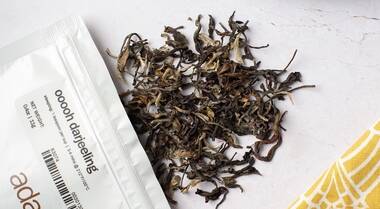
Start with the leaves themselves. A well-made tea generally has a consistent appearance, with leaf shapes, sizes, and colors that make sense for its particular style. Rolled oolongs should look deliberately rolled. Needle-shaped green teas should have a recognizable shape. A black tea made from smaller broken leaves should look relatively uniform rather than like an accidental assortment of fragments.Whole leaves can be appealing because they reveal the structure of the original leaf and often unfold beautifully during brewing. But don't assume that large leaves are always better. Some excellent teas are intentionally cut or broken during processing, and their smaller particles produce a stronger, quicker infusion.
What matters more is whether the tea appears carefully made. Excessive powder, unrelated debris, or a mixture of obviously damaged material may be reasons to look more closely. In a flavored blend, recognizable fruit, flower, or spice pieces can also help you understand what you're buying, although their presence alone doesn't guarantee better flavor.
How Important Is Aroma When Choosing Tea?
Aroma is one of the most useful clues to a tea's character. Fresh green teas might smell grassy, vegetal, nutty, or lightly marine. Black teas can suggest malt, dried fruit, honey, or cocoa. Oolongs range from delicate florals to toasted nuts, depending on their processing.The aroma should be recognizable and pleasant for the tea's style. A tea that smells noticeably musty, damp, or otherwise unlike its description deserves caution. A faint aroma isn't automatically a defect, especially in subtle teas, but a product that smells entirely flat may have lost some of its original character.
For flavored teas, consider whether the added aroma complements the tea beneath it. An appealing peach or vanilla scent is a good start, but the brewed cup should still taste balanced rather than relying entirely on fragrance.
What Should You Look for When Buying Loose Leaf Tea?
Use this quick reference when comparing products online or inspecting tea in person.Quality Clue
What to Look For
What to Question
Appearance
Consistent, style-appropriate leaves
Unexpected debris or excessive dust
Aroma
Fresh, recognizable fragrance
Musty or stale odors
Origin
Useful sourcing and processing details
Vague claims without explanation
Freshness
Appropriate storage and packaging
Exposure to heat, air, or moisture
Brewed Flavor
Clear, balanced, characteristic taste
Persistent off-flavors after proper brewing
Think of these as clues rather than rigid rules. A heavily roasted tea and a delicate white tea will naturally look, smell, and taste quite different. Quality means recognizing what each style is trying to achieve.
Do Tea Leaf Grades Tell You Which Tea Is Best?
Tea grading systems can be useful, but they're frequently misunderstood. Terms such as Orange Pekoe, Broken Orange Pekoe, fannings, and dust often describe leaf size or sorting rather than assigning a universal score for flavor.A smaller-leaf black tea may be exactly what you want for a brisk breakfast cup with milk. A carefully processed whole-leaf oolong may be better suited to several delicate infusions. Neither can be judged fairly using the other's expectations.
And not every tea-producing region uses the same grading system. Japanese green teas, Chinese specialty teas, and Indian black teas may be described according to entirely different traditions. Instead of looking for one magical grade, read the product description and consider how the tea is intended to be brewed.
Does the Origin of a Tea Affect Its Quality?
Origin can tell you something meaningful about a tea's likely character. Growing conditions, cultivar, elevation, climate, and local processing traditions all influence the finished leaves.For example, a Darjeeling may offer a lighter, more aromatic profile than a robust Assam. A Japanese sencha and a Chinese Dragon Well can both be excellent green teas while expressing very different flavors and textures.
A named region is useful information, but it isn't proof of quality. A tea's growing location matters alongside harvesting, processing, storage, and the skill of the producer. A carefully made tea from a less celebrated region can be more enjoyable than a poorly handled tea with an impressive address.
How Can You Tell Whether Loose Leaf Tea Is Fresh?
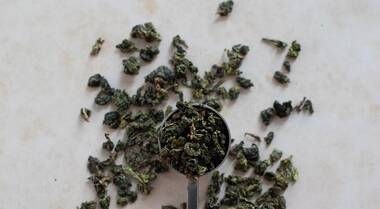
Freshness is important, but it doesn't mean every tea should be consumed immediately after harvest. Many green teas are prized for their lively, fresh character, while some roasted, compressed, or aged teas are intentionally developed over time.For most everyday teas, look for packaging that protects the leaves from air, moisture, strong odors, heat, and light. If harvest information is available, it can provide helpful context, especially for seasonal specialty teas. But a harvest date alone doesn't reveal how well the tea was processed or stored.
Once opened, transfer tea to an airtight, odor-free container if the original package doesn't seal securely. A cool, dry cupboard is generally better than a sunny countertop. For more detailed guidance, see our tea storage articles.
How Do You Judge Tea Quality After Brewing?
The real examination begins in the cup. Brew the tea according to its recommended water temperature, leaf quantity, and steeping time before deciding whether it's good. An excellent green tea can taste unpleasantly bitter when prepared with water that's too hot, while an under-steeped black tea may seem disappointingly thin.Notice the aroma rising from the cup, the flavor as you sip, and the finish after swallowing. Does the tea taste balanced? Can you identify the floral, roasted, vegetal, fruity, or malty notes suggested by its description? Does the flavor develop as the tea cools?
Bitterness and astringency aren't automatically signs of poor quality. Some tea styles are naturally brisk or pleasantly drying. What matters is whether those characteristics fit the tea and remain enjoyable when it's brewed correctly.
If you want to compare several teas fairly, prepare small portions using consistent measurements and appropriate brewing instructions. Tasting them side by side can reveal differences that are easy to miss when cups are enjoyed days apart.
A Simple Checklist Before You Buy Tea
Before adding a new tea to your cupboard, ask yourself a few practical questions:✓ Does the seller explain the tea's flavor and style clearly?
✓ Is the origin or blend composition described when relevant?
✓ Does the leaf appearance make sense for that tea?
✓ Is the packaging designed to protect freshness?
✓ Are brewing instructions provided?
✓ Can you try a smaller quantity before buying more?
That last question is particularly useful. Sampling several styles is often more informative than committing to a large bag based on a description alone. Explore Adagio's loose leaf teas to compare varieties and discover what appeals to your palate.
Frequently Asked Questions About Tea Quality
Is whole leaf tea always better than broken leaf tea?
No. Whole leaves may be desirable for certain styles, but broken leaves can produce excellent tea. Leaf size affects extraction and brewing behavior; it does not establish quality by itself.
Does expensive tea always taste better?
No. Price can reflect rarity, labor, harvest conditions, or demand, but it doesn't guarantee that a tea will suit your taste. A modestly priced tea you enjoy is a better purchase than an expensive one you don't.
What does Orange Pekoe mean?
Orange Pekoe is a term used in certain black tea grading systems, generally associated with leaf size and sorting. It does not mean the tea contains orange flavor, nor is it a universal guarantee of superior taste.
Can you judge tea quality by its color?
Not reliably. Dry leaves and brewed liquor vary widely among tea types. Color is most useful when compared with what is typical for a particular style, not against a single standard for all teas.
How do I know if my tea has gone stale?
A noticeably faded aroma, flat flavor, or loss of the tea's characteristic notes may suggest declining freshness. Musty odors or evidence of moisture are stronger warning signs; discard tea that appears moldy or contaminated.
Are loose leaf teas always higher quality than teabags?
No. Both formats can contain excellent or disappointing tea. The ingredients, processing, freshness, and brewing conditions matter more than the packaging format alone.
The Best Quality Test Is Still Your Cup
Learning to recognize quality tea isn't about memorizing a complicated grading chart or developing a vocabulary of increasingly obscure tasting notes. It's about paying attention to a few dependable details, asking useful questions, and noticing what happens when the leaves meet the water.With a little practice, choosing tea becomes less of a guessing game and more of a pleasure. And if your favorite cup happens to come from a modest-looking pouch rather than a prestigious estate, there's no need to apologize to the teapot.