Coffee or Tea? Finding the Right Cup for Your Afternoon
October 22, 2026
There comes a particular hour in the afternoon when the day's momentum begins to wander. The morning's ambitions have met the realities of lunch, the inbox has staged a comeback, and another cup of coffee starts looking remarkably persuasive. But before reaching for the familiar mug, it is worth asking a question: are you craving caffeine, the rich flavor of coffee, or simply the pleasure of stepping away for a few minutes?
The distinction matters. Coffee, traditional tea, yerba mate, and roasted herbal infusions offer different experiences, and choosing between them is less about declaring a winner than finding the right cup for the moment.

Coffee vs. Tea: Understanding the Caffeine Difference
Coffee generally contains more caffeine than brewed tea, although the amount varies considerably with preparation and serving size. An eight-ounce cup of brewed coffee typically contains around 80 to 100 milligrams of caffeine, while black or green tea often provides approximately 30 to 50 milligrams. These figures are useful reference points, not promises printed on every cup.The amount of leaf or ground coffee, brewing method, and size of the serving all influence the final result. A large café coffee may contain substantially more caffeine than a modest homemade cup. Likewise, a generously prepared tea may deliver more than expected.
Caffeine itself works the same way regardless of its source. Tea is not magically exempt from its stimulating effects, nor does coffee deserve its reputation as the villain of every restless afternoon. Individual sensitivity, timing, and quantity matter more than the beverage's reputation.
When You Want Caffeine: Meet Yerba Mate
For someone who enjoys coffee partly for its stimulating character but wants a different flavor experience, yerba mate is worth exploring. Long enjoyed throughout South America, mate is prepared from the leaves of Ilex paraguariensis, a species of holly rather than the Camellia sinensis plant used to produce traditional tea.Mate has an earthy, herbaceous personality, sometimes with grassy or pleasantly bitter notes. Its flavor is distinct from both coffee and conventional tea, though it shares their ability to become a satisfying daily ritual. It can be enjoyed hot, served over ice, or combined with other ingredients for a more adventurous afternoon drink.
Unlike most herbal infusions, yerba mate naturally contains a substantial amount of caffeine. Adagio classifies its Yerba Mate as high caffeine, making it a choice for those who actively want a caffeinated cup rather than those trying to avoid one.
For a different expression of the same plant, Toasted Mate introduces deeper, roasted flavors that may particularly appeal to coffee drinkers. Roasting changes its character, but it should not be mistaken for removing its caffeine. If caffeine sensitivity is the reason for leaving coffee behind, mate may not be the answer.
When You Crave Coffee's Flavor: Discover Chicoriccino
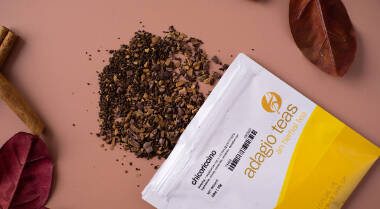
Sometimes the afternoon craving has surprisingly little to do with caffeine. It is the aroma, the richness, the slightly bitter finish, or the familiar comfort of a dark, warming drink that calls us back. This is where Chicoriccino becomes especially interesting.Built around chicory, a root traditionally used in coffee alternatives, Chicoriccino combines cocoa nibs, cinnamon, and dandelion root. The result is a smooth, roasted infusion with earthy depth, gentle spice, and a satisfying mouthfeel reminiscent of coffee. It does not attempt to reproduce espresso exactly, but it captures enough of coffee's character to feel comfortably familiar.
Chicoriccino contains only trace caffeine, contributed by its cocoa nibs. That makes it a particularly appealing option when you want a coffee-like experience without another substantial serving of caffeine. Enjoy it plain to appreciate its roasted character, or add milk for a rounder, creamier cup. A little honey can complement its cinnamon and cocoa notes.
There is something rather liberating about separating the pleasure of coffee from the expectation that every cup must provide a jolt. Chicoriccino allows the ritual to remain even when the caffeine takes a much smaller role.
And What About Traditional Tea?
Of course, coffee alternatives need not imitate coffee at all. Traditional teas offer their own remarkable range of flavors, from the briskness of black tea to the vegetal sweetness of green tea and the floral or roasted complexity of oolong.For coffee enthusiasts drawn to toasted flavors, Japanese Hojicha offers a particularly interesting change of pace. Its roasted, nutty character is comforting without tasting like coffee, while its gentler aromatic profile invites a different kind of appreciation.
Tea also encourages experimentation with brewing. Water temperature, steeping time, and leaf quantity influence the flavor of the finished cup. A little attention can reveal sweetness, texture, and aroma that might otherwise disappear beneath an overly long infusion.
Choosing Your Afternoon Cup
The best afternoon drink depends on what you actually want from it. If caffeine is part of the appeal, yerba mate offers a distinctive alternative to coffee. If you want roasted richness with minimal caffeine, Chicoriccino is a natural candidate. If you are simply looking for something flavorful and different, traditional tea provides more possibilities than any one afternoon could reasonably accommodate.Timing deserves consideration, too. Caffeine can remain in the body for hours, and sensitivity varies from person to person. A drink that suits an early afternoon break may be less welcome later in the day, particularly if sleep is easily disturbed.
Rather than replacing coffee through sheer determination, try changing one afternoon cup at a time. Explore mate when you want caffeine, Chicoriccino when you want roasted comfort, and tea when curiosity leads you somewhere new. Notice the flavors you enjoy and how each drink fits into your routine.
Coffee does not need to surrender its place in the kitchen. It simply no longer needs exclusive rights to the afternoon. And if the inbox is still waiting afterward, at least you have given it a more interesting cup of company.