How to Reset Your Tea Cupboard in January
January 21, 2026
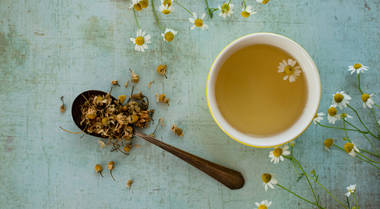
One of the easiest places to begin? Your tea cupboard.
If you're like most tea drinkers, your shelves probably hold a mix of favorites, half-finished tins, samples you meant to try, and blends that made sense at the time but somehow slipped out of rotation. Clearing out your tea cupboard isn't about tossing everything or forcing yourself to drink something you don't enjoy.
It's about taking stock, rediscovering what you already have, and making room both physically and mentally for what comes next.
Think of it less as a purge and more as a reset.
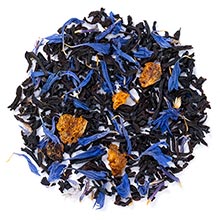
Start by Taking Everything Out
The first step is simple: take all your tea out of the cupboard. Seeing everything at once gives you a clearer sense of what you actually have, how old it is, and what you've been reaching for most often.As you look through your collection, try sorting your teas into loose categories:
– Teas you genuinely love and drink regularly
– Teas you like but haven't reached for lately
– Teas you've been avoiding or forgot you owned
There's no need to judge your past choices. Taste changes over time, seasons shift, and routines evolve. This step is about awareness, not guilt.
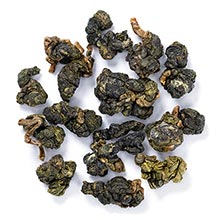
Revisit Teas With a Winter Perspective
One of the reasons teas get left behind is timing. A blend that felt too light or sharp last summer might feel just right now. Winter tends to favor fuller-bodied teas, deeper flavors, and warming cups. That shift alone can make an old favorite feel new again.Before writing anything off, try brewing a fresh cup with intention:
– Use proper water temperature for the tea type
– Try a slightly longer steep for more body
– Brew in a larger mug to let the flavors open up
You may find that teas you once overlooked now feel comforting and satisfying in colder weather. This is especially true for black teas, roasted oolongs, pu-erh, and herbals with natural depth.
Adjust How You Brew Before Giving Up
Sometimes it's not the tea... it's how it was brewed. Small changes can make a noticeable difference, especially in winter.If a tea tasted weak before, try increasing the leaf amount slightly. If it tasted bitter, shorten the steep time, or lower the water temperature. Brewing adjustments are an easy way to give a tea one last fair chance before deciding its fate.
This is also a good moment to enjoy the process itself. January is notorious for feeling slower-paced, so lean into that and pay attention to the small details: the steam rising from the mug, the aroma of the leaves, the moment the first sip hits your taste buds.
Blend Small Amounts Together
Leftover teas don't always need to be finished on their own. Blending is a practical and surprisingly satisfying way to use up small quantities while creating something new.A few easy ideas:
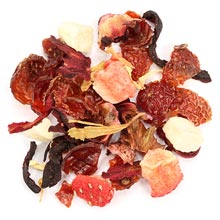
– Combine a lighter herbal tea, (like Fruit Medley with a stronger base (think Keemun Rhapsody) to add body
– Pair something minty like Spearmint with a mellow herbal or black tea like Chamomile
– Add a citrus-forward tea to brighten something heavier
If you're blending different tea types, especially if they each call for different brew temps, brew them separately at their ideal temperatures and combine them afterward. It's an easy way to add body without risking bitterness.
The most important part? Get creative! Don't worry so much about precise ratios. The whole point of experimenting is making mistakes and using that to tweak your strategy. Start small, brew a test cup, and adjust as you go. Blending turns "almost finished" teas into a creative endeavor rather than a chore.
Give Teas a New Purpose
Not every tea needs to fit neatly into your usual routine. If a blend doesn't work as a daily cup, consider using it differently.Some teas are great as:
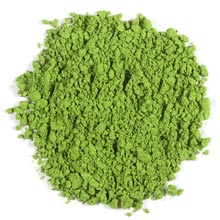
– Cold brew concentrates (even in winter, served over ice or with milk): Steep tea leaves in cold water overnight (about 1 ounce (28 g) of loose tea per 4 cups of cold water), then strain and serve the concentrated brew over ice or diluted with milk for a smooth, low-bitterness cup—even in winter.
– Latte-style drinks with steamed milk: Brew your tea slightly stronger than usual, then top it with steamed milk (and a touch of sweetener if you like) for a cozy, café-style drink.
– Flavorful additions to baking, oatmeal, or simple syrups: Use strongly brewed tea to replace some of the liquid in oatmeal, baked goods, or simple syrups to add subtle flavor without extra sweetness.
Repurposing tea allows you to enjoy it in a new way without forcing it into a role that doesn't quite fit.
Know When It's Time to Let Go
Tea doesn't last forever. Over time, aroma fades and flavors dull, even if the leaves are stored properly. If a tea smells flat, tastes lifeless, or simply no longer appeals to you, it's okay to let it go.Composting old tea leaves or discarding blends past their prime avoids waste while giving you the space (both physically and mentally) to add some new varieties into the rotation. Holding onto tea you don't enjoy can clutter both your cupboard and your mindset. Making space is part of the reset.
Organize What You Keep
Once you've decided what stays, take a moment to organize your remaining teas in a way that makes sense for how you actually drink them.You might group by:
– Time of day
– Tea type
– Frequency of use
Keeping your favorites front and center makes it easier to reach for what you love and prevents teas from being forgotten again.
A Fresh Start, One Cup at a Time
Clearing out your tea cupboard doesn't require strict rules or dramatic changes. It's a small, satisfying way to step into January with intention by appreciating what you already have, letting go of what no longer serves you, and making space for future cups you'll truly enjoy.A fresh start doesn't have to mean something new. Sometimes, it simply begins with clarity, a clean shelf, and a well-brewed cup of tea.