The Art of the Evening Cup
by Adagio Teas
October 13, 2026
The day rarely ends when the work does. It trails us into the kitchen disguised as one more email, a countertop to wipe, or the suspicion that everyone else has mastered a more efficient form of adulthood. An evening cup creates a small border between what has been demanded and what is now our own. Water is heated. Leaves or herbs are measured. For several minutes, nothing improves through haste.
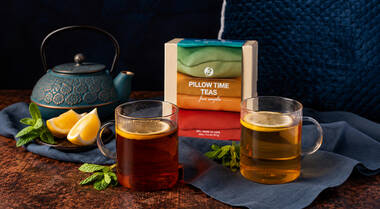
This is not necessarily a strategy for sleep. Tea cannot settle every thought or negotiate with a glowing screen on our behalf. Its value may be simpler: a warm, aromatic pause that marks a change of scene. A collection like Pillow Time Teas offers a selection of comforting herbal infusions for just such a moment. Like closing a novel at the end of a chapter, the gesture tells the mind that one mode of attention is giving way to another.
The Ritual Before the Recipe
An evening tea ritual appeals because it is both ordinary and deliberate. The kettle offers a modest bit of ceremony without requiring special clothes, elaborate equipment, or a reservation. Even the familiar sequence matters: choose a cup, listen for the water, watch color spread through the infusion, and wait.
That waiting is not dead time. It is a rare interval in which the next step cannot be hurried without making the cup worse. The ritual recalls the quiet domestic pauses in Jane Austen's novels, where tea might accompany conversation, conceal tension, or restore social order. Our kitchens may contain fewer bonnets, but the instinct remains recognizable.
Consistency matters more than ceremony for its own sake. The same cup, the same corner of the kitchen, or the same few minutes away from a screen can become a familiar signal that the day's demands are receding. Nothing about the ritual needs to be picturesque. It only needs to feel like a pause you chose.
Tea, Herbal Infusions, and Caffeine
In everyday speech, we call almost anything steeped in hot water tea. Botanically, however, traditional tea comes from Camellia sinensis. Black, green, white, and oolong teas all begin with this plant, and they naturally contain caffeine. The amount in a finished cup varies with the leaf, quantity, water temperature, and steeping time, so labels such as black or green do not provide a precise caffeine forecast.
Herbal infusions are made from other plants. Chamomile flowers, peppermint leaves, rooibos, and honeybush are naturally caffeine-free, making them practical choices for people who prefer to avoid caffeine in the evening. That distinction is useful rather than hierarchical. A late cup of oolong may suit someone who is not sensitive to caffeine, while another person may reserve traditional tea for earlier hours.
Knowing what is in the cup allows the ritual to remain pleasant instead of becoming an accidental midnight symposium.
Choose a Flavor for the Mood
There is no single correct evening cup. Begin with the question that matters most to you: whether you want caffeine, and what kind of flavor fits the moment. Some evenings call for something soft and floral. Others benefit from freshness, warmth, or a more substantial finish.
Chamomile is the classic soft-spoken option. Its floral sweetness and fresh-apple aroma feel gentle without making grand promises. It suits evenings when the aim is to lower the sensory volume: a book, low lighting, and perhaps the radical decision not to begin a new project at 9:47 p.m.
For a cleaner, brisker cup, peppermint brings a cool aroma and deeply fresh flavor. It feels less like sinking into an armchair and more like opening a window. Choose it when the day has felt heavy, dinner has been rich, or the palate simply wants clarity rather than sweetness.

Rooibos and honeybush occupy the toastier end of the evening spectrum. Grown in South Africa and unrelated to the tea plant, rooibos produces a smooth, mildly fruity infusion and is forgiving if forgotten for an extra minute. Honeybush, its botanical relative, is fuller-bodied, gently roasted, and naturally honeyed in aroma. Both offer substance without caffeine, especially welcome when dessert sounds appealing but an elaborate production does not.
Let the Cup Be Enough
Wellness culture has a habit of assigning every pleasant act a job. A bath must optimize recovery. A walk must achieve a target. An evening infusion must apparently deliver perfect sleep by the second cup. This can turn comfort into another performance review.
The evening cup deserves less pressure. It may become part of a bedtime routine, but it need not function as a remedy or guarantee. Its accomplishment is immediate and modest: warmth in the hands, fragrance rising from the cup, and a few minutes measured by steeping rather than notifications.
Tomorrow will arrive with its lists intact. Tonight, the kettle clicks off, the room grows quieter, and the day is permitted to be finished. Sometimes the ritual is not a means to a better evening. It is the evening.