How Many Times Can You Re-Steep Loose Leaf Tea?
July 24, 2026
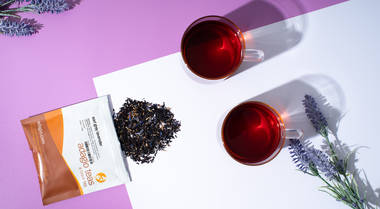
In fact, many premium loose leaf teas are designed to be enjoyed over multiple infusions. Rather than releasing all of their flavor in a single steep, whole tea leaves gradually unfold, revealing new layers of aroma and taste with each cup.
The second infusion won't taste exactly like the first, and that's part of the appeal. Depending on the tea, you may notice a sweeter finish, softer texture, or subtle flavors that were hidden in the first brew.
So, how many times can you re-steep loose leaf tea? It depends on the type of tea you're drinking.
Why Loose Leaf Tea Can Be Re-Steeped
One of the biggest advantages of loose leaf tea is the size of the leaves themselves.Whole or mostly whole leaves unfurl slowly as they steep, releasing their flavor over time. Because of this gradual extraction, there's often plenty left to enjoy after the first cup.
Tea bags, on the other hand, usually contain much smaller leaf particles. Their increased surface area causes flavor to extract much more quickly, which is why they're typically brewed only once.
With high-quality loose leaf tea, re-steeping isn't about stretching your tea farther—it's about experiencing how the flavor evolves from one infusion to the next.
How Many Times Can You Re-Steep Different Types of Tea?
Every tea is unique, but these general guidelines are a good place to start.Green Tea: 2–3 Infusions
Many green teas become softer and sweeter after the first steep. If the initial infusion highlights fresh, grassy, or vegetal notes, the second may bring out a smoother, more rounded character.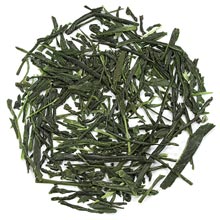
Premium Japanese teas like Sencha Premier are excellent candidates for a second or even third infusion when brewed carefully.
White Tea: 3–5 Infusions
White tea is famous for rewarding patience.Because the leaves are often large and minimally processed, they continue releasing flavor over several steeps. Each infusion may reveal new floral, honeyed, or fruity notes as the leaves fully open.
If you're looking to experience multiple infusions, Silver Needle is a wonderful place to start. Many tea lovers find that its flavor becomes increasingly delicate and nuanced with each brew.
Black Tea: 1–2 Infusions
Black teas generally release more of their flavor during the first steep, but many high-quality whole-leaf varieties still produce an enjoyable second cup.The second infusion is often gentler, with less briskness and a smoother finish.
Oolong Tea: 4–8 Infusions
Oolong is often considered the champion of multiple infusions.Traditional gongfu-style brewing is built around short, repeated steeps, allowing the tea to change dramatically from one infusion to the next. Floral aromas may appear early, while richer roasted or creamy notes emerge later.
Why Does the Flavor Change?
Each infusion extracts different compounds from the tea leaves.The first steep often emphasizes brighter aromatics and more delicate flavors. As the leaves continue to open, later infusions may showcase greater sweetness, body, and complexity.
Instead of thinking of each steep as becoming "weaker," it's often more accurate to think of it as becoming different.
That's one of the joys of loose leaf tea: every cup tells a slightly different story.
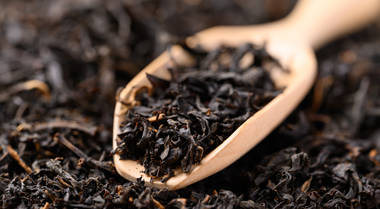
How to Re-Steep Tea Successfully
Re-steeping is simple, but a few small adjustments can make a big difference.- Don't let the used leaves sit for too long before brewing again. If you aren't making another cup right away, refrigerate the leaves and use them later the same day.
- Increase the steeping time slightly with each infusion. An extra 30 to 60 seconds is usually enough.
- Continue using the appropriate water temperature for your tea. Green and white teas still benefit from cooler water than black teas, even on later steeps.
- Taste as you go. Every tea is different, so don't be afraid to adjust based on what you're enjoying.
Which Teas Are Best for Beginners?
If you're new to re-steeping, start with teas that are known for performing well over multiple infusions.Dragonwell is a classic Chinese green tea that often develops a softer, sweeter profile after its first brew, making it an approachable introduction to multiple infusions.
Silver Needle rewards patience with several delicate, evolving cups, while Sencha Premier offers fresh character in the first infusion followed by a smoother, mellow second cup.
Trying the same tea across two or three infusions is one of the easiest ways to discover how much complexity loose leaf tea has to offer.
When Are the Leaves Finished?
Eventually, every tea reaches a point where it has given up most of its flavor.You'll know it's time to compost the leaves when the tea becomes noticeably thin, lacks aroma, or tastes more like warm water than tea.
There's no exact number of infusions that applies to every tea, and that's part of the fun. Some leaves may surprise you with one extra flavorful cup, while others are ready to retire after the second steep.
Good Until the Last Steep
Re-steeping loose leaf tea isn't just a way to get more cups from your leaves. It's a chance to experience how a tea changes over time.From the bright freshness of a first infusion to the softer sweetness that often follows, each brew reveals something new.
Whether you're enjoying a delicate white tea like Silver Needle, a classic green tea like Dragonwell, or a vibrant Sencha Premier, taking the time for a second or third steep can open up an entirely new side of your favorite tea.
The next time you finish a cup of loose-leaf tea, don't toss the leaves just yet. There may be another great infusion waiting.