White Tea Guide: Flavor, Caffeine, and How to Brew It
October 28, 2026
Some teas announce themselves before you have quite finished opening the tin. A smoky black tea makes its entrance in a traveling cloak; a brisk breakfast blend has already checked the clock. White tea tends to arrive without ceremony. Its leaves look almost untouched, its liquor can be surprisingly pale, and its fragrance asks you to lean a little closer.
That restraint is part of its appeal. White tea offers a different sort of richness: the sweetness of fresh hay, a suggestion of melon, a floral note that becomes clearer as the cup cools. Give it a little attention, and "delicate" begins to sound less like a limitation and more like an invitation.
What makes white tea white?
Like green, oolong, and black tea, white tea comes from Camellia sinensis. Its identity rests largely in how the harvested material is handled.White tea production centers on withering and drying. During withering, freshly picked buds and leaves lose moisture while chemical changes help develop their eventual aroma and flavor. Drying finishes the process and helps stabilize the tea. This relatively spare approach still requires judgment: temperature, humidity, and timing all influence the cup.
The familiar silvery appearance comes from fine hairs on young buds, particularly noticeable in bud-rich teas. "White," then, describes neither a milky beverage nor a promise that every infusion will be nearly colorless. Depending on the tea and how you brew it, your cup may range from pale straw to a warmer gold.
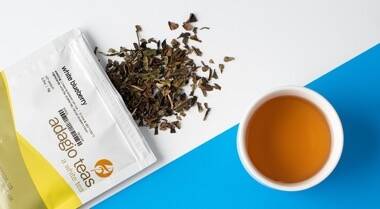
What does white tea taste like?
White tea is a category, rather than a single flavor. Some examples lean floral and airy; others offer more fruit, sweetness, or body.Silver Needle, made from unopened buds, is a classic introduction to the quieter end of the spectrum. Adagio's Silver Needle has notes of honeysuckle, warmed sugar, and white grape, with a soft, airy feel. These are tasting impressions, rather than added ingredients: the pleasure lies in discovering what the leaf itself suggests.
White Peony, also called Bai Mu Dan, includes young leaves alongside the bud. It generally offers a fuller cup than Silver Needle, with Adagio's version emphasizing melon and fruit-blossom character. For someone accustomed to more assertive teas, that extra presence can make White Peony a particularly welcoming starting point.
Try either without sweetener first. Take a sip while it is warm, then return a few minutes later. Temperature changes what you notice, and a flavor that seemed elusive at first may become much easier to name.
Does white tea have caffeine?
Yes. White tea naturally contains caffeine, and a pale infusion does not reliably tell you how much.The familiar ranking of black tea as high, green tea as moderate, and white tea as low is too tidy to describe every cup. In one study of commercial teas, researchers found no consistent caffeine pattern separating the white, green, and black teas they tested. Steeping time also affected the results.
Preparation matters. The amount of leaf, water temperature, and infusion time all help determine how much caffeine reaches your cup. Experimental research has shown that hotter water and longer steeping can extract more caffeine under the conditions studied.
The useful distinction is between flavor intensity and caffeine content. A tea can taste gentle while still containing a meaningful amount of caffeine. Choose white tea because you enjoy its character; if you need a caffeine-free cup, look to an appropriate herbal infusion instead.
How to brew white tea with more confidence
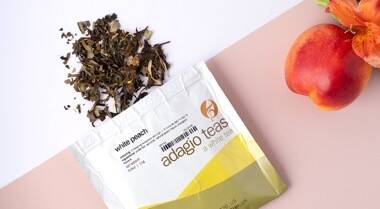
Begin with the instructions for your particular tea. For several Adagio white teas, including Silver Needle and White Peach, a starting temperature of 180°F and a steep of about three minutes provide a useful reference.Give the leaves room in a spacious infuser, and remember that fluffy white tea can occupy considerable space without weighing very much. If you have a small kitchen scale, measuring by weight makes it easier to repeat a cup you like.
Taste before adjusting. If the tea seems thin, try a little more leaf next time. If it feels drying or too assertive, shorten the steep. Changing one variable at a time makes the process much less mysterious.
It is also worth trying another infusion. Notice how the fragrance, texture, and finish change, rather than expecting a duplicate of the first cup.
Finding your way into the cup
An unflavored white tea gives you the clearest introduction to the leaf's own character, but a familiar fruit can provide an equally pleasant doorway.White Peach pairs white tea with peach pieces and natural peach flavor for a juicy, fragrant cup with a slightly dry finish. It works hot or iced, making it an approachable option for drinkers who already enjoy fruit teas.
There is no entrance examination here. Start with the flavor that interests you, brew with a little care, and let your preferences develop. White tea rewards attention, but it is perfectly willing to share the table with your book.