Why Tea Tastes Bitter and How to Fix It
by Adagio Teas
October 18, 2026
Bitterness is tea's least subtle form of feedback. A cup may begin with every promise of jasmine, peach, malt, or spring rain, then finish like a lecture delivered by tree bark. The natural response is to blame the leaves. More often, the leaves are reporting that the water was too hot, the steep was too long, or the measuring spoon became ambitious.
This is good news. Brewing mistakes are easier to correct than disappointing tea, and small changes can produce startlingly different cups from the same pouch. The goal is not to remove every trace of bitterness or dryness. Those qualities can provide structure and contrast. The goal is balance: enough grip to give the tea shape, but not so much that every other flavor leaves the room.
Bitterness and Astringency Are Not the Same
The words are often used interchangeably, but they describe different sensations. Bitterness is a taste, detected on the tongue. Astringency is a drying or puckering feeling in the mouth, similar to the sensation produced by red wine or an underripe pear. A tea can be bitter, astringent, both, or neither.Both sensations can become stronger when tea is brewed aggressively. Heat and time draw compounds from the leaf, including the polyphenols that contribute briskness and structure. Extract too much too quickly, and a lively cup becomes severe. Recognizing the difference helps with the remedy: a bitter green tea often needs cooler water, while an overly drying black tea may simply need a shorter steep.
Cause One: The Water Is Too Hot
Boiling water is not a universal setting. Delicate green and white teas generally prefer cooler water, often between 160 and 180°F. Many oolongs brew well between roughly 180 and 200°F, depending on how green or roasted they are. Black, pu-erh, chai, and most herbal infusions usually accept water near boiling.Pouring fully boiling water over a tender green tea can extract sharp, vegetal bitterness before its sweetness and aroma have a chance to introduce themselves. If the cup tastes harsh almost immediately, temperature is the first suspect. Try the same leaves again with cooler water. Without a thermometer, let boiled water rest for several minutes or transfer it between vessels before pouring.
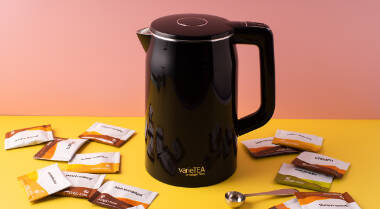
A variable-temperature kettle makes the experiment repeatable. Adagio's collection of electric tea kettles allows the water temperature to match the tea rather than requiring every leaf to endure the same boiling welcome. Follow the instructions provided with the specific tea first; category ranges are useful starting points, not laws engraved on the kettle.
Cause Two: The Tea Steeped Too Long
Tea continues extracting for as long as the leaves remain in contact with water. The first minutes may release aroma, sweetness, and body; additional time can bring increasingly forceful bitterness and astringency. This is why forgetting a mug for twelve minutes rarely produces a cup with twelve minutes of charm.Begin at the shorter end of the recommended range and taste. Green and white teas often need only two or three minutes in a Western-style infusion. Black teas commonly take three to five, while herbal ingredients may need longer to release their full character. Remove the leaves when the tea tastes balanced. The clock is guidance; the cup has the final vote.
If you enjoy strong tea, adding time is not always the best method. A very long steep extracts more of everything, including the qualities you may not want. Use a little more leaf and keep the steep controlled. This builds flavor and body without asking the tannins to conduct the entire orchestra.
Cause Three: Too Much Leaf for the Water
An overfilled infuser can turn a reasonable steep into a concentrated one. Begin with the directions on the package, usually expressed as a measure of tea for eight ounces of water, then adjust deliberately. Large, airy leaves may occupy considerable space while weighing very little; compact rolled teas and finely cut leaves can make a spoon deceptively heavy.Consistency matters more than possessing laboratory equipment. An Adagio tea spoon provides a repeatable starting measure, while pre-measured single-serve tea portions remove the variable entirely. Once the ratio is consistent, it becomes much easier to identify whether temperature or time needs adjustment.
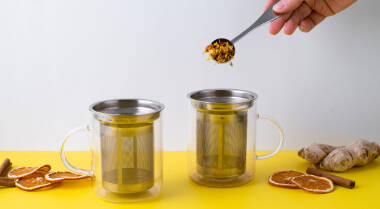
Remember to measure the water as well. A favorite mug may hold twelve or sixteen ounces rather than eight. Tea brewed for an imaginary cup can become weak or overpowering when confronted with the actual vessel.
Cause Four: The Leaves Cannot Escape the Water
A tea ball or narrow infuser may be convenient, but brewing does not stop merely because a timer rings. If the infuser remains submerged, the leaves continue extracting. Use a basket, filter, or brewing vessel that can be removed cleanly when the steep is complete. A roomy infuser also allows whole leaves to open and release flavor evenly.The best tool is one that makes timing effortless. Adagio's broader teaware collection includes infusers, tea makers, filters, and pots for different routines. Choose according to how you actually make tea. An elegant pot that appears only for diplomatic visits is less useful than the plain basket beside your everyday mug.
Do Not Forget the Water—or the Tea Itself
Water contributes most of the liquid in the cup, so stale, heavily chlorinated, or unusually mineral-rich water can distort flavor. Try fresh filtered water if a familiar tea suddenly tastes harsh, metallic, or flat. Reboiled water may also taste less lively after sitting in the kettle for hours. Begin again with fresh water before placing the entire crop under suspicion.Some teas are naturally brisk or pleasantly bitter. Breakfast blends are designed to have enough structure for milk. Certain green teas, young pu-erh, and mate can carry assertive edges even when brewed carefully. The question is not whether the cup contains bitterness, but whether that bitterness supports the tea's other flavors. Personal preference remains a legitimate brewing instruction.
How to Rescue a Bitter Cup
Once tea is over-extracted, the compounds cannot be persuaded back into the leaf. They can, however, be diluted. Add a little hot water and taste again. Black tea or chai may welcome milk, while a modest amount of sugar can soften perceived bitterness. These additions are adjustments, not admissions of defeat.For the next infusion, change only one variable. Lower the temperature, shorten the time, or reduce the leaf quantity, but do not alter all three at once. Tea rewards controlled experiments. Within a few cups, the harsh green tea may recover its sweetness, the stern black tea may reveal malt and fruit, and the leaves accused of bad behavior may be entirely acquitted.