Matcha Without the Ceremony: What Convenience Changes
by E.G. Brewer
August 20, 2026
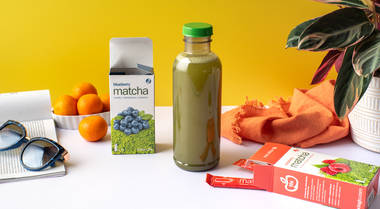
At 8:17 on a weekday morning, the bamboo whisk can feel less like an elegant utensil than a tiny household rebuke. There is a train to catch, an inbox already plotting against you, and matcha waiting in a tin with the serene confidence of something that has never missed a meeting. Enter the stick pack, shaker bottle, cafe latte, and ready-to-drink can. Convenience has arrived. The useful question is not whether it is traditional, but what changes on the way to the cup.
Begin With What Matcha Is
Matcha is powdered Japanese green tea traditionally made from tencha, tea leaves cultivated under shade before harvest, then steamed, dried, sorted, and ground. Unlike an infusion, in which the leaves are removed after steeping, matcha remains in the drink. It does not truly dissolve. Instead, its fine particles are dispersed through the water, which explains both its distinctive body and its tendency to settle.
Preparing a straightforward matcha gives the drinker control over the water, concentration, milk, and sweetness. Convenience formats redistribute that control. A single-serve packet may simply premeasure the tea. A latte mix may add sugar, milk powder, or flavoring. A bottled drink may contain brewed tea, matcha, tea extract, sweeteners, stabilizers, or some combination of them. The package name tells a story; the ingredient list supplies the editing.
Read From the Top Down
On US packaged food labels, ingredients are generally listed in descending order by weight. If sugar appears before matcha, sweetness is likely to lead the experience. That is not automatically a defect. A sweet latte can be exactly the desired afternoon pleasure. It is simply different from choosing how much sweetener to add yourself.
Look for the specific tea ingredient, too. Matcha, green tea, and green tea extract are not interchangeable descriptions. Flavorings can be enjoyable, but vanilla, fruit, or cream notes may make it difficult to judge the tea beneath them. The Nutrition Facts panel, particularly the added sugars line, offers another useful way to compare products that otherwise wear similarly verdant packaging.
Texture Tells the Tale
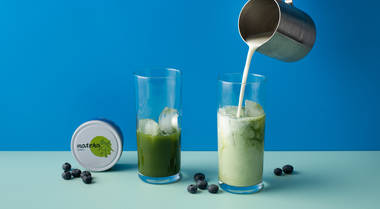
A bowl and bamboo whisk create a fine suspension and a layer of foam, but they do not possess exclusive rights to a pleasant cup. Sifting helps break up clumps. A handheld frother can disperse the powder quickly. A tightly sealed jar can serve as a shaker, provided the liquid is not hot. For an iced drink, blending matcha with a small amount of water before adding milk and ice usually produces a smoother result.
Premixed powders can feel unusually creamy because other ingredients contribute body. Bottled matcha may be thinner, and some settling is normal for suspended tea particles. Follow any instruction to shake before drinking. Foam, meanwhile, is evidence of aeration and technique, not a complete certificate of quality. A photogenic cap cannot rescue stale tea or an ingredient list that has misplaced the matcha.
Let Tea Flavor Have a Vote
Good matcha can offer vegetal sweetness, savory depth, gentle bitterness, and a lingering finish. Milk softens bitterness and changes the aroma. Sugar amplifies sweetness. Both can be welcome, but if every sip tastes mainly of syrup, the tea has become the supporting cast in its own production.
To calibrate your palate, compare matcha with brewed Japanese green teas. Gyokuro is also shade-grown, though it is processed and prepared as leaf tea rather than powdered tencha. Its sweetness and savory character can help you recognize flavors associated with shaded Japanese tea. Sencha Premier offers a crisper steamed-green profile. These teas are not substitutes for matcha, but they are useful neighboring chapters.
Convenience Is a Tool, Not a Verdict
Sen no Rikyu, an influential 16th-century Japanese tea master, helped shape chanoyu, the Japanese practice commonly known as the tea ceremony. Tradition can teach attention without becoming a purity test. A whisked bowl offers control, texture, and a deliberate pause. A packet offers consistency and speed. A canned latte offers portability. Each format solves a different problem.
The sensible standard is transparency. Can you tell how much sweetness you are choosing? Does the ingredient list clearly identify matcha? Does the preparation method produce a texture you enjoy? Can you still taste the tea? Marketing terms such as ceremonial and culinary do not follow a single universal grading standard, so let color, aroma, freshness, flavor, and intended use carry more weight.
Convenience trades some theater, customization, and freshly whisked aroma for speed. What it may offer in return is frequency: matcha on a commute, at a desk, or after the whisk has been left unwashed one time too many. The best convenient matcha is not the one that most convincingly imitates ceremony. It is the one that saves time without making the tea disappear.