Teas Don't Go Bad and 4 Other Tea Myths
by Janelle Wazorick
February 22, 2022
Myth #1: Herbal Teas are Tea
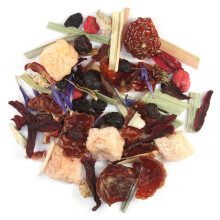
Herbal teas, on the other hand, come from a variety of other plants: peppermint tea comes from the peppermint herb, chamomile tea comes from daisy-like flowers, yerba mate comes from a plant related to holly and is caffeinated but technically isn't a tea, rooibos and honeybush teas are leaves of a bush, etc.
In fact, most herbal teas aren't even related to each other, coming from different, unrelated plants. More accurately, herbal teas are their own kind of infusion and not actual tea. You may hear people referring to them as tisanes instead.
Myth #2: Once you brew tea leaves once, they should be thrown away
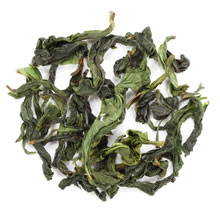
However, there are teas out there that improve upon multiple brews. Oolongs are great for four or more infusions and are known to improve after the first infusion (some even insist that the second brew is better than the first). Japanese green teas are also great for multiple infusions, though usually after the first brew the leaves are only steeped for around ten seconds to avoid extracting overly astringent flavors. Even some methods of preparing tea, like the Gong-Fu method, are based around brewing tea leaves multiple times, extracting as much of the deliciousness from the leaves as possible.
Even after you've had your fill of tea for the day (hey, it can happen!), there are still ways to repurpose used tea leaves before they make their final journey to the great teapot in the sky. Used and old tea leaves can be used in cleaning and deodorizing, home remedies, and even in crafts.
Myth #3: All teas are brewed the same way
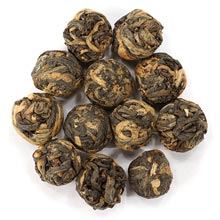
Besides temperature, brewing time is also different for each tea type. Hardier teas (like black, pu-erh, and darker oolongs) can be brewed anywhere from 3-5 minutes, while lighter teas should only be brewed for 2-3 minutes (and some teas even less at 90 seconds). Some tea instructions recommend pre-heating the teapot with hot water before actual brewing begins to maintain a consistent temperature. It's important to follow the brewing instructions any tea comes with to make the perfect cup.
Myth #4: All teas taste alike
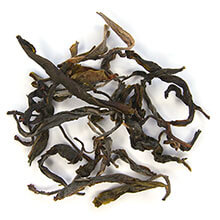
Teas that are heavily oxidized (such as black teas and some oolongs) will have a stronger, heartier flavor compared to teas with little to no oxidation (such as green and white teas) which tend to have mild flavors.
Teas harvest in early spring are often more delicate and nutrient-rich compared to teas harvested later in the year. In Japan, some tea bushes are shaded to give teas a sweet flavor compared to full-sun teas. Teas grown in higher altitudes usually result in smooth, delicately complex teas, while tea grown in lower altitudes produces darker, bolder teas. And these are just a few examples. Tea production is an art form with each artist adding his or her own nuances to their product.
Myth #5: Tea doesn't go bad
In the traditional sense, tea doesn't go bad like fresh fruit or milk, and it's not dangerous to drink a tea that is past its time.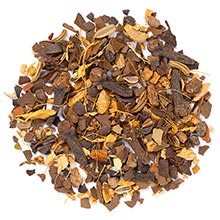
However, tea can get old. When a tea gets old, the leaves become brittle and break apart, it loses its flavor and aroma, and brews a very 'flat' cup of tea.
There are a couple of exceptions to this rule: some pu-erhs get better with age (not surprising considering pu-erhs are an aged tea), and even Keemun tea and some darker oolongs age gracefully as well. But for most other teas, drinking old tea is not a pleasant experience (one that I have personal experience with... Don't do it.).
How can you avoid your teas losing their freshness?
For one, make sure you use the tea before it has a chance to get old: black teas and oolongs should be used within three years, while green, white, and first flush teas should be used within a year (six months if you can manage it for finer teas). Additionally, tea can lose its freshness if it is stored improperly (for example, if it's exposed to sunlight or air, and not kept in a dark area): it's a good rule of thumb to store your teas away from sunlight and warm areas. Full article on tea storage tips here.