Tea Belongs on the Dinner Menu
by E.G. Brewer
September 06, 2026
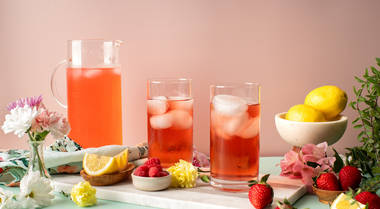
At a good dinner, the sommelier arrives with a leather folder full of regions, vintages, and solemn little adjectives. A taste is poured, a verdict awaited. Anyone who is not drinking often gets a different visit entirely: water or soda, followed by something pink and very sweet if they ask for another option. The implication is persistent: complexity belongs to alcohol, while abstention requires consolation. Tea makes that premise look lazy. Properly brewed, it can be brisk, floral, smoky, mineral, fruity, creamy, or savory, and its character can change as it cools.
A serious dinner drink has several jobs. It should refresh the palate, echo or contrast aromas on the plate, and remain interesting through multiple bites. Tea can do all three because its structure is adjustable. Leaf quantity, water temperature, steeping time, dilution, serving temperature, citrus, and carbonation can all alter the result. This is not about making tea impersonate wine. It is about giving tea the same care through deliberate selection, suitable glassware, and a place in the rhythm of the meal.
Structure Is Not Wine's Private Property
What tasters casually call tannin in tea refers largely to polyphenolic compounds that can produce astringency, the drying or puckering sensation in the mouth. That grip can be useful with rich foods because it interrupts buttery or fatty textures and prepares the palate for another bite. Too much becomes rasping, so a measured steep matters. Ceylon Sonata, with its citrus-like aroma and balanced astringency, can stand beside roast chicken, mushroom pastry, or a creamy gratin without disappearing.
Acidity provides another kind of lift, although brewed tea is not automatically sharp. A squeeze of lemon or a tart fruit infusion can add brightness. Aroma also begins working before the first sip. Floral teas can complement herbs and delicate vegetables, while roasted or smoky teas can meet browned flavors. For an assertive pairing, a small pour of Lapsang Souchong brings piney smoke to grilled mushrooms, charred cabbage, or barbecue. Use it as seasoning, not scenery. A clean, moderate brew is more versatile than a campfire in a cup.
Coolness And Carbonation
Seasoning is only half the equation. Temperature can change perception as much as spice. Very hot tea may overwhelm delicate food, while deep chilling tends to mute aroma. Cool, rather than ice-numb, is often the useful middle ground. Brew Jade Oolong with care, cool it promptly, and serve it in a stemmed glass. Its green, floral fragrance and delicate texture suit steamed fish, sesame noodles, fresh cheeses, and salads with tender herbs. As the tea warms slightly at the table, more aroma emerges, allowing the pairing to evolve.
Carbonation adds physical brightness rather than flavor. Bubbles create a sense of lift and help a drink feel brisk between bites. For sparkling black tea, brew a concentrated batch, strain it, and chill it completely. At serving time, combine it with very cold plain sparkling water, adjusting the ratio until the tea remains distinct. Add a strip of citrus peel if it suits the dish. Never seal or attempt to carbonate hot tea. Pressure and heat are a needlessly dramatic combination. The finished drink works especially well with fried appetizers, salty snacks, and rich sandwiches.
Herbal Infusions With Backbone
Herbal infusions solve a different dinner-table puzzle. Without the astringent framework of tea made from Camellia sinensis leaves, they build structure through tart fruit, spice, bitterness, or concentration. Brew Berry Blast stronger than an ordinary cup, cool it fully, and taste before adding anything else. Its juicy tartness can support glazed carrots, an herb-filled grain salad, or a cheese course.
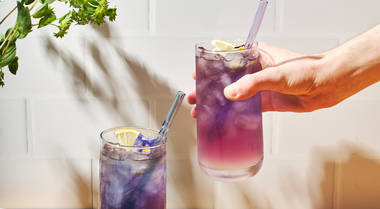
a chilled infusion, poured for the table
Dilute the infusion with still water for a quieter drink or sparkling water for more edge. Sweetener is optional and should answer the food, not reflex. Dessert-level sweetness can flatten a savory pairing, while a small amount may soften an aggressively tart infusion. Treat the drink like a vinaigrette by tasting and adjusting rather than committing to a rigid recipe in advance.
Build A Progression
The simplest way to design a tea pairing is to borrow the logic of the plate. Match weight with weight: delicate tea for subtle food and fuller tea for roasted or spiced dishes. Then choose harmony or contrast. Floral notes may mirror fresh herbs, smoke may echo char, and acidity may cut through cream. Finally, taste the beverage at its intended serving temperature and with an actual bite of food. Pairing is sensory and subjective, and elegant theory sometimes loses an argument to vinaigrette.
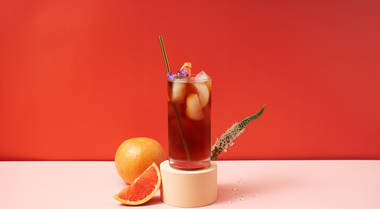
A multi-course dinner need not become a parade of teapots. One chilled oolong can accompany the opening courses, followed by a small sparkling black tea with the main dish and a concentrated herbal pour with cheese or dessert. Modest servings keep the focus on conversation and food. More importantly, they change the question. The guest is no longer asked what they will settle for instead of alcohol. Tea has been chosen with the same care as every other part of the meal, and it belongs at the table.