Brown Is the New Green: Is Hojicha Having Its Matcha Moment?
by E.G. Brewer
August 26, 2026
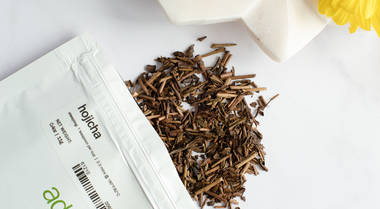
Matcha has had a very good decade. Perhaps too good. The once relatively niche Japanese tea has conquered café menus, social feeds, pastry cases, protein shakes, and seemingly every reusable tumbler within a five-mile radius of a Pilates studio. Its unmistakable green has become less a color than an aesthetic.
But lately, another Japanese tea has been appearing beside it—and this one isn't particularly interested in being green at all.
Hojicha is roasted, tawny brown, wonderfully aromatic, and tastes more like toasted nuts and warm grain than the grassy, vegetal flavors many people associate with Japanese green tea. Long familiar in Japan, it is increasingly appearing on American café menus as lattes, iced drinks, desserts, and other decidedly modern incarnations.
In other words, hojicha may be having a moment.
Wait. This Is Green Tea?
Despite appearances, Hojicha really is green tea.
Unlike matcha, which is produced from shade-grown tea leaves that are processed and ultimately ground into a fine powder, hojicha gets its defining character from roasting. Japanese green tea leaves—and often larger, more mature leaves and stems—are subjected to high heat until their familiar green gives way to shades of chestnut and mahogany.
The transformation is dramatic. Aromas of cut grass and steamed greens give way to toast, nuts, wood, and gently caramelized sweetness. In the cup, the liquor is amber-brown rather than jade.
This isn't oxidation masquerading as roasting. Hojicha remains a green tea because oxidation was halted earlier in its processing. The brown color and roasted aromas arrive later through heat.
Think less autumn leaf left on the lawn, more bread going gloriously golden in the oven.
Why Hojicha, and Why Now?
Matcha's enormous popularity has created a peculiar problem: everyone wants it.
Growing international demand has put pressure on Japanese matcha supplies and prices, while cafés and curious tea drinkers have begun looking farther across the Japanese tea cabinet. Hojicha happens to be waiting there with impeccable timing.
Hojicha lattes are now appearing hot and iced, and café menus are experimenting with pairings like maple, strawberry, sea salt, vanilla, and ice cream—the sort of territory that, not long ago, seemed largely reserved for matcha.
Is hojicha the next matcha?
Probably not. And that may be the wrong question.
Tea does not require a Highlander-style arrangement in which there can be only one fashionable Japanese beverage. Hojicha succeeds precisely because it offers something matcha doesn't. Matcha is vegetal, creamy, umami-rich, and vivid. Hojicha is mellow, woody, nutty, and deeply toasted.
One announces itself in Technicolor. The other seems more interested in finding the nearest armchair.
A Tea Made for September
There is something almost suspiciously convenient about hojicha gaining attention just as summer begins to loosen its grip.
September is a month of culinary indecision. The calendar says sweaters; the thermometer occasionally says absolutely not. We begin craving roasted nuts, baked apples, toast, cinnamon, and darker flavors while still ordering half our drinks over ice.
Hojicha understands the assignment.
Its roasted character has the sensory vocabulary of autumn without requiring a single pumpkin or cinnamon stick. Served hot, it has the comforting quality we start seeking when evenings become cooler. Poured over ice, those same toasted flavors make it an unusually good bridge between summer refreshment and fall coziness.
And then there is the latte.
Roasted flavors and milk have been friends for a very long time—coffee has built something of an empire on the arrangement. Hojicha's nutty, gently caramelized character similarly stands up well to dairy or oat milk without disappearing beneath it.
For anyone who finds matcha lattes a little too vegetal, hojicha offers a very different introduction to Japanese tea.
The Quieter Caffeine Question
Hojicha is generally considered a lower-caffeine Japanese tea, although the reason is a little more complicated than the often-repeated claim that roasting simply burns all the caffeine away.
The mature leaves and stems commonly used to make hojicha naturally contain less caffeine than younger tea shoots. Leaf material, processing, roasting conditions, and brewing method can all influence what ultimately ends up in the cup.
So while hojicha isn't caffeine-free, its typically gentler caffeine level helps explain why it has long been enjoyed later in the day in Japan.
Which feels appropriate.
Matcha has the energy of 9 a.m. and a freshly opened calendar. Hojicha is what happens around 4 p.m., when the ambitious portion of the day has concluded and the novel on your nightstand is beginning to look considerably more interesting than your inbox.
Don't Call It the New Matcha Just Yet
Trends have a habit of “discovering” foods that other cultures have been happily consuming for generations. Hojicha doesn't need to become the next anything. It has existed quite comfortably without our declaring it a lifestyle.
But its growing popularity makes sense. It is approachable without being boring, distinctive without demanding expertise, excellent hot or cold, and unusually compatible with milk. Most importantly, it offers tea drinkers something genuinely different at a moment when matcha's ubiquity has made the rest of Japanese tea worth exploring.
Maybe brown really is the new green.
Or perhaps we've simply remembered that the tea cabinet has more than one shelf.