What Is Dessert Tea? Sweet Tea Flavors Without Sugar
March 06, 2026
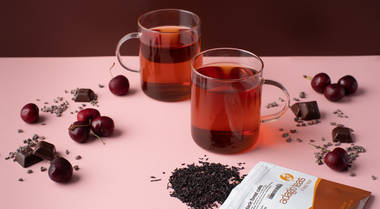
But true dessert teas are something much more interesting.
They're blends designed to capture the flavors of cakes, custards, fruit cobblers, marzipan, chocolate pastries, and more, all through carefully chosen tea bases, herbs, spices, and natural flavor notes. No frosting required.
If you've ever wished you could enjoy something sweet after dinner without actually baking (or indulging), a dessert tea might be your new favorite post-mealtime routine.
Let's break down what makes a tea a "dessert tea," how they get their sweet flavor, and how to choose one that fits your cravings.
What Makes a Tea a "Dessert Tea"?
A dessert tea isn't defined by sugar content. This is tea, after all. It's actually defined by flavor profile instead.Most dessert teas feature:
– A smooth or rich base (black, oolong, pu-erh, or herbal)
– Warming spices like cinnamon, cardamom, or clove
– Creamy or caramel notes
– Fruit elements reminiscent of cobblers or preserves
– Chocolate or cake-like undertones
Now, you might think that, given the term 'dessert', the goal is to make tea taste sugary like its namesake. Except that it's actually to evoke the aromatics and essence of the dessert in question.
They're not just any old blend with sugar added. Instead, they are developed to evoke desserts through layers of flavor.
How Do Dessert Teas Taste Sweet Without Sugar?
This is where creating each blend takes some ingenuity and creative thinking. Certain ingredients naturally create the perception of sweetness:Vanilla
Vanilla doesn't contain sugar, but it signals sweetness to your brain. Even subtle vanilla notes can make a tea feel creamy and rich.Caramel & Toasted Notes
Toasted sugar flavoring, roasted roots, or darker tea bases create that brûléed, bakery-style depth you'd expect from caramel desserts.Fruity Elements
Apple, berry, peach, or cherry notes can mimic pie filings, cobblers, and fruit tarts. All without added sweetness!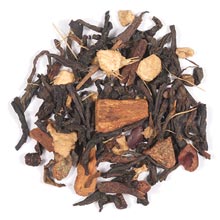
Chocolate & Cocoa Undertones
Cocoa nibs, chocolate flavors, and roasted tea bases can call to mind (or tongue!) brownies, chocolate chai, or marble cake, as showcased in blends like Chocolate Chai Pu-Erh.And bases like oolong naturally carry nutty or sweet floral qualities that blend beautifully with dessert-inspired notes.
Popular Types of Dessert Teas
Dessert tea isn't one single flavor category. And it's not restricted to one tea leaf type, either. Here's a look at some of the most popular subcategories:Baked & Spiced Dessert Teas
Think warm pastries and fruit cobblers.– Blueberry Peach Cobbler Green Tea pairs juicy fruit notes with a light, mellow green base, just like a warm fruit cobbler.
These teas often shine with a splash of milk, or even gently sweetened with honey.
Creamy & Custard-Inspired Teas
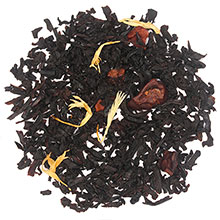
If you're aiming for custard, brûlée, and toffee, you'll want to focus on deeper notes.– Caramel Crème Brûlée Tea delivers toasted caramel and creamy sweetness that feels like dessert without sugar.
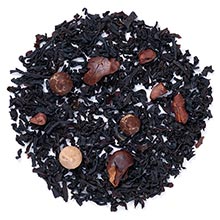
– Black Forest Cake Tea layers dark chocolate and cherry fruit notes, evoking the classic layered cake.
These are ideal when you want a rich, soothing cup after dinner.
Chocolate & Spice Dessert Teas
Dark cocoa, spice blends, and bold character define these:– Chocolate Chai Tea combines warming chai spices with deep chocolate undertones, for a rewarding and full-bodied cup.
These teas can be great with milk or enjoyed black if you like heartier profiles.
Fruit & Nut Dessert Teas
Fruity and fragrant, these teas remind you of crumbles or marzipan: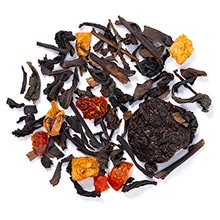
– Cherry Marzipan Oolong blends sweet cherry and almond-like notes with a smooth oolong base. Great for cleansing the palate after a hearty dinner.
These work beautifully when brewed a little stronger or paired with light desserts.
When to Drink a Dessert Tea
Dessert teas are perfect when:– You want a cozy, flavorful finish to a meal
– You crave something sweet in the evening
– You want a cup that feels indulgent without added sugar
– You're entertaining guests and want something unique
Caffeine-free options can be particularly lovely at night, while richer bases like oolong and chai fit evenings or chilly afternoons.
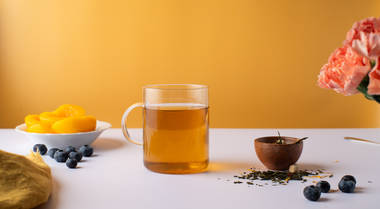
How to Brew Dessert Tea for Maximum Flavor
To really bring out those indulgent notes:Use the right water temperature
Hotter water helps release layered flavors from rich dessert blends.Steep full recommended time
Under-steeping can mute the dessert character.Try it both plain and with milk
Milk enhances creaminess and softens spice in chai or custard-style blends.Each tea has a sweet spot, so make sure to experiment with steep time and temperature if you want to reveal more depth.
Dessert Tea vs. Sweetened Tea
It's worth noting: dessert tea isn't the same as sweetened tea.Sweet tea is tea plus sugar.
A dessert tea blend's structure itself creates an indulgent impression. That's why you can enjoy richness, spice, fruit, and chocolatey notes without actually adding anything to the cup.
Turning Tea Into a Treat
Dessert teas aren't about replacing dessert. Rather, they're about expanding what tea can be. Whether you lean toward fruit-forward warmth, creamy custard notes, spiced chocolate depth, or marzipan-like nuance, dessert teas offer a way to turn an ordinary cup into a small, satisfying indulgence.Whichever direction you explore, dessert tea reminds us that tea can be playful, rich, layered, and of course: deliciously dessert-like.