Health Benefits

AGING
Emerging understanding of aging biology
Tea is a globally admired and nutrient-rich beverage that not only refreshes the senses but is also implicated in several health beneficial effects including the extension of organismal healthspan and lifespan. The present review discusses the emerging anti-cellular senescence attributes of tea consumption and provides a perspective that the anti-aging aspects of tea should be studied in the purview of cellular senescence. Current understanding of the integrative effects of the immune system and gut microbiome on cellular senescence have also been discussed with the rationale of mitigatory effects of tea.Highlights include:
• A cellular senescence-centric theory of aging is rapidly emerging.
• Tea polyphenols can affect the development and removal of senescent cells.
• Tea polyphenols can suppress DNA damage, mitigate SASP and maintain telomere length.
• Immunostimulating attributes of tea consumption during aging are also known.
• Tea phenols act as second-generation prebiotics and modulate gut dysbiosis during aging.
Science Direct, June 2022
Major study links green tea with less disability among elderly
A major Japanese study has found that senior citizens who regularly consume green tea are more agile and active than non-tea drinkers. Almost 14,000 individuals aged 65 and over took part in the three-year experiment. Scientists focused on whether green tea drinkers have a lower risk of frailty and disability as they grow older. They found that those who consume at least five cups of green tea per day were one-third less likely to develop 'functional disability', or problems with daily activities, such as dressing or bathing. Even after adjusting for confounding factors such as diet and lifestyle habits, the link was deemed significant. Although reasons behind the findings remain unclear, researchers point to a study that suggests that green tea extracts seem to boost leg muscle strength in older women.Reuters, Feb 2012
ALLERGIES
Why try herbal tea for allergies and relief?
Some teas contain herbs that may fight inflammation and help your immune system, which in turn could alleviate some allergy symptoms. Seasonal allergies — aka allergic rhinitis or hay fever — usually pop up in the spring, summer, and early fall. Basically, allergies are part of your body’s immune response to pollen, grass, or other common environmental allergens. This leads to inflammatory signals that bring on bouts of allergy symptoms like these: sneezing, stuffy or runny nose, fatigue, itchy, red, watery eyesKnow before you steep: Fresh or dried herbs are best for optimum allergy relief. But if there’s simply no time for that, make sure you’re grabbing only unbleached tea bags. And always make sure to run herbal teas by your doc if you’re taking medication or have a health condition. Try herbal teas with ginger, lemon peel, peppermint, licorice root, turmeric, yerba mate, and rooibos.
Greatist, February 2021
Sip a cup of green tea to minimize allergies
'Tea, especially green tea, with or without caffeine, is very good for people with allergies,' says Murray Grossan, MD, an ear, nose, and throat doctor in Los Angeles. Tea contains natural antihistamines, he says, which makes it a great addition to your diet to reduce allergy symptoms. Histamine is a chemical that your body releases during allergic reactions. Grossan especially recommends a morning cup of hot tea just when you get up to help prevent morning sneezing.Everyday Health, 2013
cancer-quashing green tea may battle allergies too
Japanese researchers found that EGCG, the abundant antioxidant compound in green tea, may help stop your body from mounting an immune response to a wide range of allergens, including pollen, pet dander, and dust. Steeping two or three cups a day of green tea helps bolster the body's defenses, especially as you age, suggests Lester A. Mitscher, PhD, a professor of medicinal chemistry at the University of Kansas and author of The Green Tea Book: China's Fountain of Youth.ABC News, 2013
ALZHEIMER'S DISEASE
Tea and Berries May Slow Onset of Alzheimer’s
A study published in the American Journal of Clinical Nutrition suggests that diets high in flavonoids may protect cognitive health. Flavonoids are plant nutrients known for their antioxidant, antiviral, and anticancer properties and are found in berries, tea, dark chocolate, and other foods [including tea].“Alzheimer’s disease is a significant public health challenge,” said Paul Jacques, nutritional epidemiologist at the Jean Mayer USDA Human Nutrition Research Center on Aging at Tufts University in Boston. “Given the absence of drug treatments, preventing Alzheimer’s disease through a healthy diet is an important consideration.”
“Our study showed that individuals with the highest intakes of flavonoids were more than 50% less likely to develop Alzheimer’s disease, relative to those with the lowest intakes,” he said. According to Jacques, flavonoid-rich diets help more than just Alzheimer’s disease and related dementia.
U.S. Department of Agriculture, June 2022
Drinking Green Tea Protects Brain Cells
Studies show that green tea could prevent Alzheimer's by protecting the brain from the formation of beta-amyloid plaques that are thought to cause the disease. A flavonoid in green tea called EGCG (epigallocatechin-3-gallate) can bind to beta-amyloid proteins to prevent formations, and ultimately, prevent Alzheimer's disease.Alzheimers July 8, 2014
Green tea and laser show promise in fight against Alzheimer's
Scientists have discovered a novel way to fight Alzheimer's disease using a mix of green tea and red light. The laser light pushes water out of the cells and when the laser is switched off, the cells absorb water and any other molecules, including drugs, from their surroundings. The combination of green tea and red laser light was found to destroy Alzheimer's plaques that crowd the brains of people with the disease. Researchers from Germany bathed brain cells with EGCG, an extract found in green tea, while stimulating the cells with red light. This method reduced the amount of plaques that cause loss of memory and other symptoms by 60 percent.New Scientist, Nov 2011
Chemical in Green Tea May Fight Alzheimer's
Research shows green tea has many health benefits, especially as an antioxidant. Ingredients in green tea helps prevent the formation of B-amyloid, a protein whose accumulation is recognized as causing Alzheimer's. Drinking green tea can help with relaxation and concentration.South Bend Tribune April 13, 2010
Green tea compound may stop spread of Alzheimer's
Breakthrough research suggests that green tea may be able to prevent the spread of Alzheimer's disease in the brain. A new study from the UK found that a compound abundant in green tea called epigallocatechin galate, or EGCG, is able to disrupt a key step of Alzheimer's disease pathway, preventing it from progressing. EGCG was shown to neutralize the effects of a specific type of protein that latches on to nerve cells in the brain and ultimately causes those cells to die. The antioxidant altered the shape of the protein compounds, preventing them to attach to the nerve cells. Scientists claim this is an important new lead in the search for new and effective treatments for this yet incurable disease.Examiner, Feb 2013
ARTHRITIS
Fight Inflammation With a Cup of Tea
You want to be hipper and healthier? Drink tea. Green, black, oolong and white teas are loaded with polyphenols, plant-derived compounds that rev up the immune system and may protect against certain diseases, including arthritis.“Tea drinking boosts T cells’ ability to react against bacterial and viral infections,” says Jack F. Bukowski, MD, PhD, a rheumatologist at Brigham and Women’s Hospital in Boston. This action helps your body fight off colds and flu. “I suspect this is good for people with rheumatoid arthritis, who are taking immunosuppressive medications that make them more susceptible to infection,” he says.
Studies show that tea may have anti-inflammatory properties. In lab studies, Case Western Reserve University researchers in Cleveland showed EGCG (a substance in green tea) may halt arthritis progression by blocking interleukin-1, a pro-inflammatory cell, from damaging cartilage.
Arthritis Foundation, June 2017
Green tea can help reduce inflammation and arthritis pain
Loaded with antioxidants, green tea helps boost metabolism and lower risk for certain diseases. Green tea may even help reduce inflammation and arthritis pain because of its active ingredient, epigallocatechin gallate (EGCG), a powerful catechin that works to stop production of certain inflammatory chemicals in the bodyEveryday Health 2015
Arthritis: A cup of tea can be good for your health
Green, black, oolong and white teas are loaded with polyphenols, plant-derived compounds that rev up the immune system and may protect against certain diseases, including arthritis.'Tea drinking boosts T cells' ability to react against bacterial and viral infections,' says Jack F. Bukowski, MD, PhD, a rheumatologist at Brigham and Women's Hospital in Boston. This action helps your body fight off colds and flu. 'I suspect this is good for people with rheumatoid arthritis, who are taking immunosuppressive medications that make them more susceptible to infection,' he says.
Studies show that tea may have anti-inflammatory properties. In lab studies, Case Western Reserve University researchers in Cleveland showed EGCG, a substance in green tea may halt arthritis progression by blocking interleukin-1, a pro-inflammatory cell, from damaging cartilage.
Arthritis Foundation, 2014
Sip your way to arthritis pain relief
If you're troubled by the painful symptoms of arthritis, relief may be a cup of tea away. 'I believe all tea can be beneficial,' says Mahsa Tehrani, MD, a rheumatologist in Vienna, Virginia. 'Tea has fantastic anti-inflammatory properties which can theoretically help with the underlying inflammation associated with arthritis,' she says. Drinking tea can be a great complementary arthritis treatment that helps lessen pain, eases joint stiffness, and even prevents the condition from getting worse.Everyday Health, 2015
BONE HEALTH
Tea for bone health
'The major bone benefits of drinking tea are due to its powerful antioxidants such as polyphenols, catechins, and flavonoids,' says Sue Xiao Yu, MS, RD, CDN, CDE, a clinical nutritionist and registered dietitian at the Hospital for Special Surgery. 'The potent polyphenols found in tea have shown to help increase bone mineralization, delay bone mineral density reduction, and increase the levels of vitamin D in your body.' (And vitamin D deficiency is pretty common, so that last one is extra important for many of us.) 'Catechins also help to protect bone building cells in the body, while flavonoids have estrogen-like properties that help to prevent bone loss,' Yu says.In order to reap these benefits, drink black, green, or oolong tea, as these are the types of teas most of the studies on tea and bone health looked at, according to Yu. 'Black, green, and oolong teas are also recommend because they are the most commonly consumed in the world,' she adds.
Well + Good, May 2022
Tea Enhances Markers of Bone Health
Results show that consumption of GTP (at a level equivalent to about 4-6 cups of steeped green tea daily) and participation in tai chi independently enhanced markers of bone health by 3 and 6 months, respectively... Because oxidative stress is a main precursor to inflammation, this finding suggests that green tea and tai chi may help reduce the underlying etiology of not only osteoporosis, but other inflammatory diseases as well. Dr. Shen and colleagues concluded that there is a 'favorable effect of modest green tea consumption on bone remodeling in this pre-osteoporotic population' and hope to soon complete a more long-term study utilizing more technically savvy measures of bone density.Science Daily, April 2011
Tea Suitable for Bone Health
Resarchers state that three fundamental chemicals found in green tea- EGC, GC, and GCG have a great impact on osteoblasts, or bone cells when exposed to these particular chemicals. The bone cells treated with these particular chemicals helped stimulate growth in comparison to other components. In addition to promoting growth of cells, there was significant increased in the amount of mineralization found in the osteoblasts. Natural food sources, such as tea help offer an economical solution to the management of osteoporosis.Journal of Chinese Medicine October 2009
BONE STRENGTH
Black Tea Benefits
It may help strengthen your skeleton. Postmenopausal women who regularly drank black tea had higher bone mineral density in the lumbar spine and hip, according to a Japanese study that tracked 498 women over five years.According to a 2018 report in the journal Biomedicine and Pharmacotherapy, there’s strong evidence that black tea can help protect against heart attacks. This may be because the polyphenols in black tea help to relax blood vessels, which prevents them from constricting.
Reconsider adding that splash of milk, however, at least some of the time. Its proteins can bind with some of the beneficial compounds in black tea, reducing your body’s ability to absorb them, researchers say.
Consumer Report, January 2022
2-3 Cups of tea a day can prevent you breaking your hip
Two or three cups of tea a day could keep osteoporosis at bay. Tea drinkers are less likely to break a hip than people who never touch the stuff, a study found.Analysis of data provided by almost 200,000 people showed that tea drinkers were less likely to break a hip than others. Two to three cups a day seems to be particularly beneficial with men and women who drank this amount being 37 per cent less likely to suffer a hip fracture.One to two cups a day cut the odds of a hip fracture by 28 per cent.Daily Mail 2014
Tea helps promote weight loss and improve bone health
Osteoporosis is a major public health concern but new research suggests that polyphenols in green tea may help improve bone quality and strength through many proposed mechanisms. In fact, one study found that tea drinking was associated with a 30% reduced risk in hip fractures among men and women over 50 years old. In a study of 150 postmenopausal women, researchers reported that 500 mg green tea extract (equivalent to 4-6 cups of green tea daily), alone or in combination with Tai Chi, improved markers for bone formation, reduced markers of inflammation and increased muscle strength in study participants. Numerous other studies have found that green tea flavanols provide a restorative effect to bone remodeling to help maintain bone density and slow bone loss.News Medical, 2013
BREATH
Green and Herbal Tea Breath Benefits
Green tea is an antioxidant-rich tea made from the leaves of the Camellia sinensis plant. The most abundant antioxidant in green tea is Epigallocatechin-3-gallate (EGCG). Research suggests EGCG may have many beneficial effects on health. A 2013 laboratory studyTrusted Source investigated the effect of EGCG on human gum tissues. The study showed that EGCG triggers cells in the gums to release an antimicrobial chemical. This chemical targets Porphyromonas gingivalis (P.gingivalis), which is a type of bacteria that contributes to gum disease and halitosis. Both green tea extract and EGCG reduced the growth of S. moorei cultures, although green tea extract showed the greatest effects. This suggests that other chemicals within green tea may also have antibacterial properties.Medical News Today, August 2019
Tea's Dental Benefits
Researchers have claimed that drinking at least three cups of tea a day can help keep your teeth in good condition, reducing the risk of decay. A review of existing studies found that black tea helped combat two types of bacteria (Streptococcus mutans and Lactobacillus) that are both associated with tooth decay and gum disease.Green tea appeared to have a similar effect and also helped prevent bad breath by neutralising sulphur compounds that contribute to tooth decay.Daily Mail, 2013
Tea Fights Bad Breath, Mouth Bacteria
A cup of tea warms the soul -- and freshens your breath, and even fights infections. Two new laboratory studies add to mounting evidence of the health benefits of tea.In the first study, conducted at Pace University, green tea extracts were mixed with several different kinds of bacteria, including those that cause strep throat and tooth decay. The researchers found that green tea was effective at fighting bacteria by inhibiting their growth.
The same study suggests that green tea also helps toothpaste and mouthwash fight viruses -- by eliminating bacteria. Toothpaste or mouthwash alone demonstrated little effectiveness at fighting viruses. However, by adding green tea extracts, the bacteria were nearly eliminated and the toothpaste was then able to fight off the viruses.
WebMD, 2013
CANCER
Tea and cancer prevention 101
Tea is thought to have many health benefits, from keeping you hydrated to supporting weight-loss and reducing dental cavities. Tea may also reduce your risk for illnesses like heart disease and cancer. Here’s what to know about tea and cancer prevention. Antioxidants neutralize free radicals in your body that can cause inflammation and upset cell function. This is how the antioxidants in tea help you stay healthy. Most of the research on tea and cancer prevention has focused on the natural antioxidant epigallocatechin-3-gallate, EGCG. In some studies, ECGC was found to reduce the risk of cancer, particularly bladder cancer. But overall research is too limited to draw strong conclusions. Green tea usually contains the highest amount of EGCG, but all teas contain valuable antioxidants.MD Anderson Cancer Center, April 2021
Compound unique to black and oolong teas can kill cancer cells and reduce inflammation
Researchers from Rutgers University, NJ, studied theaflavin-2 (TF-2), a compound unique to black tea (and oolong), which has been shown to kill cancer cells, a process known as apoptosis. The TF-2 triggered cancer cell death, shrinking cancer cells within 3 hours of application. TF-2 appears to regulate or activate genes that kill cancer cells. In addition, it has the ability to suppress inflammatory enzymes and molecules. These results suggest that Theaflavin-2, a major component of black tea, has the capacity to help kill cancer cells through mechanisms involving both gene regulation and an anti-inflammatory effect.Molecular nutrition & food research, February 2011
Two Cups a Day Lowers the Risk of Endometrial Cancer
After accounting for the different ways the studies measured tea drinking, the researchers found that an increase in tea consumption of two cups daily was associated with a 25-percent reduced risk of developing endometrial cancer. The association was significant for green tea but not for black tea.Reuters, January 2010
Green Tea Reduces Risk of Lung Cancer in Smokers & Non-Smokers
[According to a new study from the American Association for Cancer Research], among smokers and non-smokers, those who did not drink green tea had a 5.16-fold increased risk of lung cancer compared with those who drank at least one cup of green tea per day. Among smokers, those who did not drink green tea at all had a 12.71-fold increased risk of lung cancer compared with those who drank at least one cup of green tea per day.Science Daily, January 2010
Green tea component upsets cancer cell metabolism
A new study reveals how an active component of green tea disrupts the metabolism of cancer cells in pancreatic cancer, offering an explanation for its effect on reducing risk of cancer and slowing its progression. The researchers believe the discovery signals a new approach to studying cancer prevention. Reported in the journal Metabolomics, the study explores the effect of epigallocatechin gallate or 'EGCG,' an active biological agent of green tea. It shows that EGCG changes the metabolism of pancreatic cancer cells by suppressing the expression of lactate dehydrogenase A or LDHA, a critical enzyme in cancer metabolism.Medical News Today 2014
Tea to Help Lower Risks of Lung Cancer
Results from research showed that both smokers and non-smokers who did not drink green tea were 5 times more likely to develop lung cancer compared to those who drank at least one cup of green tea per day. Smokers who did not drink green tea at all were more than 12 times more likely to be diagnosed with lung cancer than those who drank at least one cup a day. Green tea's cancer fight capabilities are due to its rich concentration of polyphenols, notably a catechin called epiqgallocatechin-3-gallate, or as it's more commonly known as ECGC. The studies don't change the fact that smoking is bad for your health, and tea should not be an excuse to continue smoking.Bnet March 30, 2010
Prolonged tea consumption may reduce risk of ovarian cancer
Women who start drinking tea at a younger age have been found to benefit from a lower risk of ovarian cancer later on in life. A study surveyed tea-drinking habits of 1000 women with an average age of 59 over a period of two years. Data included daily consumption, tea type and when they first started. Results showed that women without cancer were more likely to be tea drinkers from an earlier age and, on average, consumed more cups a day than those diagnosed with the illness. Authors of the study suspect that flavonoids may be responsible for these effects and encourage the consumption of tea because of the potential benefit in preventing this common and deadly disease.The Telegraph, Nov 2012
Green tea linked to lower risk of cancer of the digestive system
A large-scale study suggests that green tea may play a role in lowering risks of colon, stomach and throat cancers for older women. Scientists from Vanderbilt University School of Medicine in Nashville followed 69,000 women for a period of ten years and found that those who drank green tea at least three times a week were 14 percent less likely to develop a cancer of the digestive system. Furthermore, the study found that women who drank green tea for at least 20 years were 27% less likely than non-drinkers to develop any digestive system cancer. Although researchers admit only clinical studies can establish a direct link, they did account for other factors like diet, income, exercise habits and medical history in their study and still found a benefit of drinking green tea.Reuters, Oct 2012
Green tea claimed to slow prostate cancer
A study that was presented at the conference of American Association for Cancer Research suggests that green tea may slow the progression of prostate cancer. Drinking six cups of brewed green tea was shown to lower the levels of some disease-associated inflammation. The study focused on 67 prostate patients scheduled for a type of surgery known as a prostatectomy, where the prostate is removed, and found that drinking tea in preceding weeks produced a noticeable drop in both serum prostate-specific antigen (PSA) concentrations and PSA protein expression. Researchers explain that reduction in inflammation may be an indication that green tea may also inhibit tumor growth. The study builds on previous research that suggests that flavonoids may be associated with a lower risk of developing prostate cancer.US News, Oct 2012
Lab study finds green tea extract may eradicate skin cancer
A new lab study has found that green tea extracts may be able to destroy skin cancer cells. The University of Strathclyde team discovered that a compound found in green tea called epigallocatechin gallate, or EGCG, is able to either prevent skin tumors from growing, shrink them or even make them disappear. After one month of treatment, 40% of tumors of one type of human skin cancer were entirely removed, whereas a further 30% shrank during the same period. One reason for these successful results may be the fact that, for the first time, EGCG compounds were delivered directly to the tumors using specific proteins that target tumors' receptors for different biological substances.The Telegraph, Aug 2012
CHOLESTEROL
Green Tea Benefits
Green tea is a good source of catechins, the majority of which are epigallocatechin gallate (EGCG), which has been found in studies to reduce LDL (bad) cholesterol. EGCG may also counter inflammation in the body. If you like lemon, squeezing a slice into green tea may help its beneficial compounds survive digestion, according to research from Purdue University.Consumer Reports, January 2022
Drinking Black Tea Linked to Lower Cholesterol
In a recent study, researchers conducted a comprehensive literature search to identify studies evaluating the effects of black tea on low-density lipoprotein (LDL or 'bad') cholesterol, high-density lipoprotein (HDL or 'good') cholesterol, and total cholesterol. Ten studies evaluating 411 participants were ultimately identified for inclusion.The researchers found that drinking black tea significantly lowered LDL cholesterol, but not total cholesterol or HDL cholesterol. Furthermore, the LDL cholesterol-lowering effect was greater in people who had a higher heart disease risk.
The authors concluded that drinking black tea lowers LDL cholesterol, without effecting HDL and may be beneficial for people with an increased risk for heart disease.
Clinical Nutrition, 2014
Drinking Green Tea Lowers Total and LDL Cholesterols
Researchers in China studied the effect of green tea and green tea extract on total cholesterol (TC), LDL cholesterol, and HDL cholesterol using a meta-analysis of 14 randomized controlled trials. Green tea consumption significantly lowered the TC concentration significantly lowered the LDL-cholesterol concentration. Analyses showed that these changes were not influenced by the type of intervention, treatment dose of green tea catechins, study duration, or individual health status.American Journal of Clinical Nutrition, June 2011
Green tea lowers 'bad' cholesterol in study
A US study suggests that green tea may reduce LDL, or 'bad' cholesterol by a few points. It shows that green tea catechins, taken in a capsule or drunk in the form of tea, may trim 5 to 6 points more from people's total cholesterol and 'bad' LDL cholesterol levels. Brewed green tea was more effective than capsules, though the benefits overall were fairly small. The drink did not show any effectiveness in boosting 'good' HDL cholesterol, or cut triglycerides, another type of blood fat. The trials that lasted between three weeks and six months involved over 1400 adults who were randomly assigned to either use green tea every day, as a beverage or capsule, or be part of 'control' groups that used placebo capsules or liquids.Reuters, Nov 2011
COGNITIVE HEALTH
Tea and Cognitive Function, Prevention of Cognitive Decline
When it comes to cognitive function, it turns out tea may offer significant benefits. “There is strong evidence that tea and its constituents seem to be beneficial under conditions of stress,” explained Louise Dye, PhD, professor of nutrition and behavior at the University of Leeds. “The most profound cognitive domain that tea seems to act upon is attention and alertness. With these effects on attention, tea is an optimal beverage of choice during a time of elevated stress and burnout worldwide.”Studies consistently show beneficial effects of a high dose of L-theanine, together with a lower dose of caffeine, on attention task performance. These findings indicate that the unique combination of caffeine and L-theanine that is found in tea can improve attention. With no effective drug treatments for dementia, prevention is key.
Recent high-quality data from long-term, prospective cohort studies indicate that higher intakes of tea – starting at as little as one cup daily and up to five to six daily – are associated with reduced risk for dementia. Data from these studies also find that moderate intakes of the flavonoids present in tea are associated with reduced risk for cognitive decline. Maximal benefits of tea may be obtained from as little as two to four cups per day, with little additional benefits with higher intakes.
Results of these studies also suggest that the protection provided may be strongest for protection against vascular dementia, one of the most common forms of dementia.
World Tea News, May 2022
Cognitive Benefits
More than 16 million people in the United States live with cognitive impairment, which can have a profoundly negative impact on a person’s quality of life. According to the researchers, the data on drinking true tea and experiencing positive brain health outcomes is promising. Key findings from the research include: Randomized control trials show tea consumption offers short-term benefits for attention spans.Studies consistently show the beneficial effects of a high dose of L-theanine, together with a lower dose of caffeine, on attention task performance.
The researchers said that “when experiencing elevated stress or burnout, tea is an optimal beverage of choice due to its beneficial effects on attention.” as well as an estimated that 40% to 50% of dementia cases could be prevented through changes in diet and other lifestyle factors. One dietary change suggested is drinking true tea, citing growing evidence that having just a cup or two of tea a day could help reduce the risk of vascular dementia and Alzheimer’s disease.
Very Well Health, May 2022
Green tea extract boosts your brain power, especially the working memory
In a new study, the researcher teams of Prof. Christoph Beglinger from the University Hospital of Basel and Prof. Stefan Borgwardt from the Psychiatric University Clinics found that green tea extract increases the brain's effective connectivity, meaning the causal influence that one brain area exerts over another. This effect on connectivity also led to improvement in actual cognitive performance: Subjects tested significantly better for working memory tasks after the admission of green tea extract. For the study healthy male volunteers received a soft drink containing several grams of green tea extract before they solved working memory tasks. The scientists then analyzed how this affected the brain activity of the men using magnetic resonance imaging (MRI). The MRI showed increased connectivity between the parietal and the frontal cortex of the brain. These neuronal findings correlated positively with improvement in task performance of the participants. 'Our findings suggest that green tea might increase the short-term synaptic plasticity of the brain,' says Borgwardt.Science Daily, 2014
Positive effects of Green Tea on Cognitive Function and Mental Status
Worldwide, tea is the second most popular beverage after water. Similar to alcohol and coffee, drinking of green tea can produce pleasant feelings. In other words, consumption of green tea is partly due to its biological effects on cognitive function and emotions. To date, extensive epidemiological, clinical and experimental studies have shown that green tea drinking is beneficial to many aspects of physical health. There is also emerging evidence suggesting that key compounds of green tea may promote mental status and health of the central nervous system. The most promising candidates are L-theanine and green tea catechins.NDRI Curtin University, 2014
Green tea may help protect HIV patients' cognition
New research suggests that compounds found in green tea and chocolate may help prevent cognitive impairment experienced by patients with HIV. A study by a research team at Johns Hopkins University discovered that plant polyphenols known as catechins found in green tea might be responsible for encouraging survival and growth of neurons in the brain. Catechins seem to stimulate the production of brain-derived neurotrophic factor, which is a protein that is active in areas of the brain vital to learning, memory and higher thinking. HIV patients have lower levels of this protein compared to healthy individuals. The fact that catechins easily cross the blood-brain barrier increases their therapeutic potential and offers hope of the first neuroprotective treatment for cognitive impairment for people with HIV.Psych Central, Aug 2012
DEPRESSION
Teas to Boost Your Mood
Drinking tea is often associated with calming, soothing effects. In fact, stress-related hormones like cortisol can be counteracted with tea. These benefits come from antioxidants and amino acids like l-theanine and epigallocatechin gallate (EGCG). These powerful antioxidants will also help your blood pressure and fight off free radicals, keeping you healthy physically and mentally.Black tea, green tea and matcha are both packed with tons of antioxidants. You don’t have to be worried about feeling tired, since they contain a good amount of caffeine. The EGCG and L-theanine we talked about earlier can be found in these teas, too!
Stabilizing the mood and promoting sleep are only some of the benefits of lavender tea. Unless it is mixed with green or black tea though, you won’t get any caffeine. Insomnia is unfortunately a compounding issue for those with mental health issues. If you are looking for the right type of tea to put you to sleep though, look no further than chamomile tea.
Mental Health & Addiction Asso., December 2020
Tea Consumption Lowers Risk of Depression
A recent study by the Australian & New Zealand Journal of Psychiatry notes that higher consumption of tea was associated with reduced risk of depression. Tea polyphenols, particularly catechins, which readily enter the brain, may prevent the development of depression. These protective polyphenols are well known for their antioxidant properties.Additionally, one of tea's major catechins, epigalloca-techin-3-gallate (EGCG), has been shown in animal studies to enhance brain concentrations of the key neurotransmitter, dopamine.
RANZCP, 2015
Women Who Drink Tea Are Less Depressed
Tea drinking... seemed to lessen depression. Compared with the 1,216 women who did not drink tea, among the 183 women who did, depression risk was about 36 percent lower. The vast majority of the tea drinkers -- 90 percent -- drank green tea.Reuters January 2010
Elderly Tea Drinkers Are Less Likely Depressed
Elderly people who drink several cups of green tea a day are less likely to suffer from depression, probably due to a 'feel good' chemical found in this type of tea, Japanese researchers said. Several studies have linked drinking green tea to lessening psychological problems and Dr. Kaijun Niu, of Tohoku University Graduate School, and colleagues found men and women aged 70 and older who drank four or more cups of green tea daily were 44 percent less likely to have symptoms of depression.Reuters, December 2009
DERMATOLOGY
Could Using Green Tea for Acne Be Your Key To Clear Skin?
polyphenols, have antioxidant, anti-inflammatory, and antibiotic properties. They also attack free radicals.Green tea is especially rich in epigallocatechin gallate (EGCG), a polyphenol that researchTrusted Source has shown can improve acne and oily skin.
In addition to having anti-inflammatory, antioxidant, and antimicrobial properties, EGCG lowers lipid levels and is anti-androgenic, making it effective at reducing sebum (oil) excretions in the skin.
Androgens are hormones that the body produces naturally. High or fluctuating androgen levels stimulate the sebaceous glands to produce more sebum. Excess sebum can clog pores and increase bacterial growth, causing hormonal acne. EGCG helps break this cycle.
Healthline, May 2019
Teas for better Skin
Tea, which is rich in polyphenols (molecules that have antioxidant properties), can help keep your skin hydrated, reverse the effects of UV damage, and reduce inflammation. Pretty amazing, right? While drinking tea may have a positive impact on your complexion, applying products infused with tea extracts can be beneficial, too.Too much sun can be damaging to the skin and cause early signs of aging. Studies have shown that drinking green tea may actually help reduce your risk of skin cancer (although you still have to wear SPF 30 daily, of course).
Yerba Mate is loaded with antioxidants, which help prevent and repair skin damage caused by free radicals. The drink is made from the dried leaves of the yerba mate plant found in Central and South America and also contains high levels of caffeine.
Out of all the herbal teas, chamomile is by far the most popular for use in treating skin issues topically; it's been used for years to help relieve dry, patchy skin and even acne.
Rooibos contains aspalathin and nothofagin, two chemical compounds that have anti-inflammatory properties. The flavonoids in rooibos have been shown to possess anti-inflammatory functions, which makes it useful for treating skin conditions like rosacea or acne.
Women's Health, 2015
Sun Damage Repaired by Green Tea
Antioxidants found in green tea may help repair DNA damage caused by sun exposure, according to a recent study in mice. The study, [published in the journal Cancer Prevention Research], examined the effects of polyphenols from the leaves of the green tea plant, which are thought to fight free radicals (highly unstable molecules that can damage cells) and have anticarcinogenic activity.NIH NCCAM, Spotlight on Research, February 2010
Green tea catechins found to benefit skin following UV damage
Scientists from the UK have discovered that green tea compounds called catechins may help protect the skin against sunburn and the long-term effects of UV damage. The study was performed on 14 healthy human subjects with fair skin and involved taking green tea catechin supplements for 12 weeks. The dose was roughly equivalent to two cups of green tea. The effects of the supplements were tested before and after supplementation by exposing buttock skin to UV rays and quantifying the level of sunburn. The results demonstrate that catechins may contribute to skin protection against sunburn inflammation and potentially longer-term damage caused by UV rays, and may therefore be a complement for sunscreen.Nutra Ingredients USA, Jan 2013
DIABETES
Drinking at least 4 cups of certain teas may reduce type 2 diabetes risk, research finds
Drinking black, green or oolong tea might have more benefits than a little energy boost -- a certain amount could reduce risk of developing type 2 diabetes, new research has found. Drinking at least four cups of any of these teas per day has been linked with a 17% lower risk of developing type 2 diabetes over an average period of 10 years, according to research published Saturday. The research, which hasn't yet been published in a scientific journal, will be presented at the European Association for the Study of Diabetes Annual Meeting in Stockholm this week.The relationship between drinking tea and type 2 diabetes risk has been previously studied, but results have been inconsistent, said Xiaying Li, the research's first author and a postgraduate student at the Wuhan University of Science and Technology in China. 'Our study showed that the association between tea consumption and (type 2 diabetes) depended on the amount of tea consumed. Only sufficient tea consumption can show clinical effects,' said Li via email. 'Based on our findings, I would advise the public to consume more tea in their daily lives, if appropriate.'
CNN, September 2022
Green Tea has Promising Efficacy on Type II Diabetes
The beneficial effects of green tea have been confirmed in various diseases, such as different types of cancer, heart disease, and liver disease. The effective components of green tea mainly include tea polysaccharides and tea polyphenols, such as catechin, particularly (-)-epigallocatechin-3-gallate. Increasing in vivo and in vitro evidences have explored the potential molecular mechanisms of green tea as well as the specific biological actions. Moreover, clinical trials have also explored the potential value of green tea components in treating metabolic syndromes, such as obesity, type II diabetes, and cardiovascular disease. This study explores the effects of the two major green tea components on the improvement of type II diabetes. It is concluded that regular consumption of green tea is beneficial for the improvement of high-fat dietary-induced obesity and type II diabetes.Current Medicinal Chemistry, 2015
Tea can cut risk of type 2 diabetes
A study of European populations found that drinking tea was an effective way of reducing the risk of developing type 2 diabetes. It discovered that countries whose citizens are heavy tea consumers and drink at least four cups of tea per day have a 20 per cent lower risk of developing the illness. German scientists working on the study suspect that this beneficial effect may be caused by polyphenols contained in tea. They may lower the risk of type 2 diabetes by influencing glucose digestion, glucose uptake, and by protecting beta-cells from free-radical damage. The research was carried out in 8 European countries and included over twelve thousand type 2 diabetes cases. Average European tea consumption ranges from four daily cups in the UK to none a day in Spain.Times of India, Aug 2012
Study links country's black tea consumption and diabetes risk
According to research backed by Unilever, owner of Lipton and PG Tips tea brands, countries that have a higher consumption of black tea also display a significantly lower prevalence of diabetes among their populations. Scientists studied black tea consumption in 42 countries and compared it to data from the World Health Organization on each country's rates of respiratory, infectious and cardiovascular diseases, as well as cancer and diabetes. They found that, on average, a population that consumes double the amount of black tea has about one quarter less cases of diabetes. Ireland had the highest annual consumption at more than 2 kilograms per person, closely followed by the UK and Turkey. South Korea, Brazil, China, Morocco and Mexico were at the bottom of the list. Researchers admit that this study does not establish a cause and effect relationship between the two variables, but claim that the scope of the study and the robust statistical relationship will pave the way for further research.Nutra Ingredients, Nov 2012
ENDURANCE
Tea is the all round performance drink
Many studies have demonstrated that intense or prolonged exercise generates considerable amounts of ‘reactive oxygen species’ (oxidants) within the human body. These reactive oxygen species can produce ‘oxidative stress‘, ie damage to fats, proteins, nucleic acids and – ultimately – muscle cells. Such oxidative stress has naturally been linked with fatigue and overtraining, and it has been suggested that the human body’s natural oxidant-defense system is not powerful enough to prevent the oxidative stress associated with rugged exercise. Thus, the argument goes, athletes need to accelerate their intakes of foods which are rich in antioxidants. Tea would thus be a sought-after beverage, since it may rank ahead of all others in terms of antioxidant potency. Observers of the athletic scene sometimes wonder if it is more than a coincidence that the best endurance athletes in the world – the Kenyan runners – sip tea throughout the day, just like Dr Johnson.So is tea a near-perfect sports drink? If a couple of cups of tea are consumed about an hour before exercise, the caffeine content is likely to enhance performance in high-intensity athletic events. When tea is consumed post-exercise, its rich antioxidant content may well boost recovery and limit oxidative stress to muscles.
Sports Performance, February 2017
Tea can boost exercise endurance
Scientists have found that the catechins (antioxidants) in green tea extract increase the body's ability to burn fat as fuel, which accounts for improved muscle endurance.TIME September 4, 2012
EYE HEALTH
Could a Hot Cup of Tea Preserve Your Vision?
A spot of hot tea in the afternoon might help you save your sight, new research suggests. The study of U.S. adults found that people who drank hot tea on a daily basis were 74 percent less likely to have glaucoma, compared to those who were not tea fans. Experts were quick to stress that it may not be tea, itself, that wards off the eye disease. There could be something else about tea lovers that lowers their risk, said senior researcher Dr. Anne Coleman. But the findings do raise a question that should be studied further, according to Coleman, a professor of ophthalmology at the University of California, Los Angeles. 'Interestingly,' she said, 'it was only hot, caffeinated tea that was associated with a lower glaucoma risk.'Overall, Coleman's team found, the odds of having glaucoma were 74 percent lower among people who said they drank hot tea more than six times a week, versus non-drinkers.That was with a number of other factors taken into account -- including age, weight, diabetes and smoking habits. That said, she pointed to some theoretical reasons why tea could be beneficial. It contains a range of plant chemicals that may fight inflammation and protect body cells from accruing damage.
New York Times, December 2017
green tea for eye health
A cup of green tea is more than relaxing and delicious: its antioxidants may help lower risk of developing cataracts and macular degeneration.In a study reported in the Journal of Agricultural and Food Chemistry, researchers fed rats green tea extract and then examined which tissues of the eye had absorbed the most catechins: a type of bioflavonoid, or class of antioxidants. The results? The retina, a light-sensitive layer of tissue that lines the inner surface of the eye, had the highest concentration of catechins. It's good news that eye tissue can absorb the antioxidants from green tea, but studies on humans will need to be done to determine its effects.
Other foods that are that are high in catechins include red wine, chocolate, berries and apples. Black tea also boasts catechins, but in lower amounts than its green cousin.
Academy of Nutrition and Dietetics, 2014
Green Tea Can Help Senior's Eye Health
Researchers in Hong Kong have discovered that seniors who consume green tea refreshment may also enjoy better eye health. Results of the research state that green tea consumption could benefit the eye against oxidative stress, due to the catechins, an antioxidant, found in green tea. This antioxidant can be absorbed by the lens, retina, and eye tissue.Retirement Homes April 21, 2010
Green Tea Can Aid in the Prevention of Glaucoma
Researchers have found that the catechins in green tea are one of the many antioxidants that have been found to protect the eye from certain diseases, including glaucoma. This antioxidants is absorbed into the tissue of the eye after passing through the gastrointestinal tract and the retina is shown to absorb the highest amount of catechins.Journal of Agricultural and Food Chemistry April 21, 2010
GENERAL HEALTH
Two or More Cups of Black Tea a Day Could Affect Your Longevity
A warm cup of tea in your favorite mug can seem to heal the soul -- and a new study finds it may be good for your body, too.Drinking two or more cups of black tea a day is associated with lower risk of death from all causes, according to the study published Monday in Annals of Internal Medicine. The Biobank followed up about 10 years after the original survey, and researchers found that people who drank two or more cups of tea daily in the interim were less likely to have died from causes such as cardiovascular disease, ischemic heart disease and stroke, according to the study.
CNN Health, August 2022
Tea and Longevity
Tea can be part of a healthy diet and people who drink tea may even be a little more likely to live longer than those who don’t, according to a large study. Tea contains helpful substances known to reduce inflammation. Past studies in China and Japan, where green tea is popular, suggested health benefits. The new study extends the good news to the U.K.’s favorite drink: black tea.Scientists from the U.S. National Cancer Institute asked about the tea habits of nearly a half million adults in the United Kingdom, then followed them for up to 14 years. They adjusted for risk factors such as health, socioeconomics, smoking, alcohol intake, diet, age, race and gender. Higher tea intake — two or more cups daily — was linked to a modest benefit: a 9% to 13% lower risk of death from any cause vs. non-tea drinkers. Tea temperature, or adding milk or sugar, didn’t change the results.
NBC News, August 2022
6 Healthy Reasons to Drink Tea
If you are trying to improve your health or drop a few pounds, think beyond superfoods and supplements, because tea, in its many varieties, deserves your attention too! You may be surprised to learn that what you drink can also affect weight management, disease prevention, and energy and stress levels. Consumed for thousands of years, tea has been used for medicinal purposes by many cultures around the globe. Here are six health benefits of tea:1. Tea can help you maintain a healthy weight.
2. Green tea may help you see better.
3. White tea can help you look younger.
4. Black tea can help to reduce stress levels.
5. It may help you fight diabetes.
6. Tea can make your ticker stronger.
Studies show that the components found in tea can do wonders for your health. You can use tea bags or go loose, drink it hot or drink it cold. No matter how you take it, tea is a deliciously healthy drink.
Cleveland Clinic, 2013
Is Tea Healthier than Water?
Drinking three or more cups a day is as good for you as drinking plenty of water, and it may hav extra health benefits. Experts believe that flavonoids are one of the key ingredients in tea that promotes health; these antioxidants are found in tea and can help prevent cell damage.Daily Nation April 26, 2010
Tea Provides the Body with Plenty of Energy for Exercise
Good news for caffeine lovers! Caffeine, including the caffeine in tea, can be the perfect complement to your workouts. Several recent studies have found that a small dose before exercising helps improve performance. Post-exercise, a few cups of caffeinated tea can help your muscles recover more quickly. It seems that caffeine may speed up the blood's transportation of glucose to the muscles.Health Magazine December 15, 2009
HEART DISEASE
Heart Health Benefits
Cardiovascular disease is the leading cause of death for both men and women in the United States. According to information presented at the symposium, the simple act of drinking true tea may help support heart health by helping people reduce their risk of developing cardiovascular disease.Taylor Wallace, PhD, CFS, FACN, a professor in the Department of Nutrition and Food Studies at George Mason University and a presenter at the symposium, said that “tea is the major source of flavonoids (and flavan-3-ols) in the diet.” What Are Flavonoids? According to Wallace, “American tea drinkers have been shown to have 20 times higher flavonoid intakes compared to those who do not consume tea.” Based on studies using a variety of scientific research designs, Wallace reported that having two cups of unsweetened tea per day has the potential to reduce the risk of cardiometabolic disease.
Specifically, each cup of daily tea consumption appears to be associated with an average:
• 1.5% lower risk of dying from any cause (all-cause mortality)
• 4% lower risk of dying from cardiovascular disease
(cardiovascular disease mortality)
• 2% lower risk of cardiovascular events
• 4% lower risk of stroke events
Very Well Health, May 2022
Regular tea consumption loosens arteries to lower your risk of cardiovascular disease
New research has shown that regular tea consumption can protect against arterial stiffness in the heart - a condition that's been linked to a shortened lifespan and higher risk of cardiovascular disease. The study, which looked at habitual and non-habitual tea-drinkers in China, found that those who have been drinking tea regularly for six years or more had the lowest levels of arterial wall thickening and loss of elasticity, and adds to a growing body of evidence that tea consumption is likely doing great things for your heart health.Science Alert 2016
Study hints at lower blood pressure for black tea drinkers
An Australian study found that people who drink three cups of black tea a day can lower their blood pressure by 2 to 3 points. According to researchers, although the reduction may seem small, it has a significant effect on the prevalence of high blood pressure and the risk of heart disease. The observed decrease in blood pressure is equivalent to a 10% reduction in the prevalence of both conditions and can have a major impact on risk factors behind heart disease and death. The study was performed over a period of 6 months on 95 regular tea drinkers. Previous research suggests that possible explanations for the findings may include improved interior lining of blood vessels and reduced body weight and abdominal fat achieved by regular black tea consumption.Web MD, Jan 2012
Study suggests that black tea consumption may substantially reduce blood pressure variation.
An Australian study suggests that black tea consumption may substantially reduce the rate of blood pressure variation. The article, published in the American Journal of Clinical Nutrition, claims that drinking three cups of black tea a day alters blood pressure variation by about 10 percent. A sudden fluctuation in blood pressure can be an early warning sign of a stroke or even heart disease. Furthermore, the study used a flavanoid-free caffeine-matched beverage in the control group, which means that the results do not stem from caffeine, but from another component in black tea. The positive results of drinking black tea were noticeable from the first day and continued over the course of the six-month study.Medical Daily, Apr 2013
Risk of heart disease lowered by black tea
A recent study found that regular tea consumption is associated with a reduction of several risk factors that may lead to heart disease. First, it was discovered that three daily cups of tea over a period of 12 weeks lead to a significant reduction in blood sugar levels and triglycerides, which are unhealthy fats. Triglyceride levels fell by 39 percent in male participants and 29 percent in females. Furthermore, drinking tea increases the levels of HDL cholesterol, also known as the 'good' type. Finally, the study suggests that tea increases the amount of antioxidants present in the blood stream, which can protect blood vessels and tissue against oxidative stress and inflammation. The tea that was tested contained no sugar or milk, as the latter may reduce the availability of polyphenols.Fox News, Jun 2012
Study finds flavanoids may block blood clots
A recent study from Harvard Medical School suggests that consumption of flavanoids could help prevent the formation of blood clots in arteries and veins. Flavanoids are compounds commonly found in fruits, vegetables and tea. According to researchers, a popular flavanoid called rutin has the potential to prevent and treat stroke and heart attacks, as well as deep venous thrombosis and pulmonary embolism. It acts by inhibiting clot formation both in arteries and in veins, which possesses different features in both cases, thereby enabling a single agent to prevent both types of clots. Scientists plan to follow up on these findings with a clinical trial.Nutra Ingredients, May 2012
IMMUNE STRENGTH
The Chemistry in Your Cup, Supporting Your Immune System
According to the Tea Council of the USA, tea contains flavonoids, naturally occurring compounds that have antioxidant properties. Tea flavonoids provide bioactive compounds that help to neutralize free radicals which may damage elements in the body, such as genetic material and lipids, and contribute to chronic disease. Tea also contains L-theanine, an amino acid that is for the most part, uniquely found in tea.“Tea may help support your immune system and increase your body's resistance to illnesses,” says Dayong Wu, MD, PhD, Nutritional Immunology Laboratory in the USDA Jean Mayer Human Nutrition Research Center on Aging at Tufts University. “In the event you do become sick, tea can help your body respond to illness in a more efficient way by ridding itself of the infection and may also alleviate its severity when they happen.”
In a comprehensive review of the published data on this topic presented at the symposium, Wu concluded that green tea/catechins have been shown to help the host fight against a variety of pathogens by decreasing the pathogen's ability to infect the host and helping the host's immune system spring into action. Green tea/catechins have also been shown to improve autoimmune disorders by promoting self-tolerance, suppressing autoantigen-induced inflammatory attacks, and enhancing tissue repair. “As a tasty, inexpensive beverage, tea consumption may bring certain benefit in a broad array of metabolic and immune health aspects,” said Wu.
World of Tea News, May 2022
Immune Benefits
Tea is a go-to beverage when you’re sick, but the research presented at the symposium suggests that drinking tea may even give your immune system a boost. Dayong Wu, MD, PhD, associate lead of the Nutritional Immunology Team at the USDA Human Nutrition Research Center on Aging and associate professor at the Friedman School of Nutrition Science and Policy, Tufts University, said that “as a tasty, inexpensive beverage, tea consumption may bring certain benefits in a broad array of metabolic and immune health aspects.”During the symposium, Wu explained that phytochemicals in green tea called catechins have been shown to help a host fight pathogens by decreasing the germ’s ability to infect the host as well as help the host’s immune system spring into action. Wu added that these potential effects of green tea might be related to a few different mechanisms, including:
Antiviral effect (e.g., by inhibiting viral absorption, penetration, membrane fusion, and replication in the upper respiratory tract)6 Anti-inflammatory and anti-oxidative effects (e.g., by reducing tissue damage)
Very Well Health, May 2022
Matcha: A Delicious Drink that Supports Immunity
Matcha is a powdered form of green tea, and has the same immune-pumping ingredients but in 10 times the concentration. The antioxidants and medicinal compounds in matcha tea can help you fight off viruses and bacteria, and even abnormal cells, says Dr. Eliaz. 'They also help reduce inflammation, support cardiovascular health, improve energy and focus, and balance hormones,' he says. You can find matcha at health food stores and specialty tea stores.Prevention, 2012
Mechanism Discovered for Health Benefit of Green Tea, New Approach to Autoimmune Disease
One of the beneficial compounds found in green tea [EGCG] has a powerful ability to increase the number of 'regulatory T cells' that play a key role in immune function and suppression of autoimmune disease, according to new research in the Linus Pauling Institute at Oregon State University. EGCG may have health benefits through an epigenetic mechanism, meaning we aren't changing the underlying DNA codes, but just influencing what gets expressed, what cells get turned on,' Ho said. 'And we may be able to do this with a simple, whole-food approach.' Laboratory studies done with mice, Ho said, showed that treatment with EGCG significantly increased the numbers and frequencies of regulatory T cells found in spleen and lymph notes, and in the process helped to control the immune response.Science Daily, June 2011
Green tea protects kids from flu virus
A medical study from Japan shows evidence of a clear link between green tea consumption and reduced odds of catching the influenza virus. Scientists studied the effects of green tea on influenza in 2600 kids and found that children who drank five cups of green tea per week had significantly fewer cases of flu, compared to those who drank almost no green tea. Children who drank about one cup of green tea per day also had significantly fewer sick days from school. Green tea compounds catechins and theanine were found to enhance systemic immunity and interfere with viral replication. In fact, the results were so conclusive that scientists established that regular consumption of green tea is protective against influenza infections during the influenza season.Daily Herald, Nov 2011
LIVER
Foods That Are Good for Your Liver
Tea is widely considered to be beneficial for health, but evidence has shown that it may have particular benefits for the liver. One Japanese study found that drinking 10 cups of green tea per day was associated with improved blood markers of liver health. A smaller study including people with nonalcoholic fatty liver disease found that drinking green tea high in antioxidants for 12 weeks improved liver enzyme levels and may also help reduce oxidative stress and fat deposits in the liver. Furthermore, another review found that people who drank green tea were less likely to develop liver cancer. The lowest risk was seen in people who drank four or more cups per day.Healthline, September 2021
Green Tea for Liver Health
Evidence is mounting showing that green tea holds significant value in fighting liver disease.Green tea's many health benefits are owed to its richness in catechin polyphenols, particularly epigallocatechin gallate (EGCG). A powerful antioxidant, EGCG kills cells gone awry, without harming healthy tissue. Green tea is preferred for its health benefits to black and oolong teas because it is minimally processed. As such, green tea's leaves are green, withered and steamed as opposed to the other darker, fermented varieties of tea. Green tea's minimal processing results in a greater concentration of EGCG.
Many with Hepatitis C have known about EGCG's ability to impair liver disease progression for years, and have already made green tea their staple beverage. Research revealed at the 2006 Annual Association for the Study of Liver Diseases meeting found that EGCG inhibits oxidative stress and inflammation in liver cells, well known precursors to liver disease progression.
Hepatitis Central, 2011
Green Tea Improves Liver Health
A study led by nutritional scientist Richard Bruno has found that green tea can help mitigate the impact of nonalcoholic fatty liver disease. Bruno, an assistant professor of nutritional sciences [at UConn], and his research team have found that the daily ingestion of green tea blocks the amount of fat stored in the livers of obese mice that otherwise develop severe fatty liver disease; improves liver function; and reverses declines in antioxidant defenses in the liver.University of Connecticut Advance, February 2009
ORAL HEALTH
Tea if good for health
A team from the University of Illinois, College of Dentistry found that compounds in black tea were capable of killing or suppressing growth of cavity-causing bacteria like Lactobacillus and Streptococcus mutans in plaque, thus drinking tea may aid in preventing gum disease and prohibit cavities from developing.Black tea also affects the bacterial enzyme glucosyltranferase, which is responsible for converting sugars into the sticky matrix material that plaque uses to adhere to teeth. One experiment showed that when volunteers rinsed with black tea for 30 seconds five times at three-minute intervals, plaque bacteria stopped growing and producing acid, which breaks down the teeth and causes cavities.
Oral Health Group, February 2016
Black tea combats bacteria linked with tooth decay and gum disease
Researchers have claimed that drinking at least three cups of tea a day can help keep your teeth in good condition, reducing the risk of decay. A review of existing studies found that black tea helped combat two types of bacteria - Streptococcus mutans and Lactobacillus - that are both associated with tooth decay and gum disease. The most effective 'dose' of tea was three to four cups a day, according to study leader Dr Carrie Ruxton. And scientists found that black tea continued to fight decay, even if it had some sugar added to it. Green tea appeared to have a similar effect - and also helped prevent bad breath by neutralising sulphur compounds that contribute to the condition.Daily Mail 2013
Rinsing With Green Tea Improves Oral Health
The researchers used the following measurements: Streptococcus mutans count in saliva and plaque, Salivary and plaque pH values, Gingival Bleeding Index (GBI). The results of this study showed that there was a statistically significant difference among subjects pre- and post-rinsing with 2% green tea for 5 min [for all the measured variables]. This study supports the effectiveness of local application of green tea as antibacterial and anticariogenic material as it decreases the acidity of the saliva and plaque, so it is a cost-effective... prevention measure especially in developing countries.International Journal of Dental Hygiene, May 2011
STROKE PREVENTION
Drinking coffee and tea linked to lower stroke riskDrinking coffee and tea linked to lower stroke risk
Coffee, tea — or both? People who sip several daily cups of either or both beverages may be less likely to have a stroke than people who don’t drink either, new research reports.The study relied on data from 365,000 people who described their typical coffee and tea consumption. The participants were ages 50 to 74 when they joined the study, from 2006 to 2010.
During a median follow-up period of 11.4 years, researchers found a 32% lower risk of stroke among people who said they drank two to three cups of coffee and two to three cups of tea daily compared with people who drank neither beverage.
Harvard Health Publishing, February 2022
how black tea can reduce the risk of suffering a stroke
Scientists at the University of California found that people who drank the most tea (three cups a day or more) were 20% less likely to suffer strokes than those who drank little or no tea, because it protects us from blood clots that kill around 200 people every day in the UK.Mirror 2013
Large study links green tea with reduced risk of stroke
A large-scale study identified a reduced risk of stroke among green tea and coffee drinkers in Japan. Over 80,000 Japanese adults were followed for an average period of 13 years and those who drank four cups of green tea or a cup of coffee per day benefited from a decreased risk of stroke of 20%. Five or more cups of green tea corresponded to a 15 percent decrease in all-cause mortality, and a 26 percent decrease in dying from cardiovascular disease. Green tea drinkers' risk of intracerebral hemorrhage was also reduced by 32 percent. Although exact reasons behind the results remain unclear, scientists suspect that antioxidants are responsible for the majority of the beneficial effects.The Telegraph, Mar 2013
TOOTH HEALTH
What can I do to thwart tooth decay?
The good news is that, in addition to brushing and flossing regularly, there are a few other science-backed strategies you can use to keep your dental health in check.Drink certain types of tea. There is also evidence that black and green teas can help prevent dental decay, since they contain fluoride and have higher pH levels. “But don’t add sugar please,” Dr. de Aguiar Ribeiro added.
New York Times, July 2022
Tea may keep your Smile Bright
Japanese researchers have found that tea can decrease tooth loss. It changes the pH in your mouth when you drink it and that may be what prevents cavities. Beyond that, tea, unlike many other beverages does not appear to erode tooth enamel.TODAY March 18, 2016
Is Tea Good For Your Teeth?
Tea provides protection against tooth plaque and potential tooth decay, plus it has been shown to help strengthen bones. Tea contains flouride, which is good for your teeth. Tea is best drunk plain in order to reap benefits for tooth health.Daily Nation April 26, 2010
Tea Can Aid in Periodontal Health
Higher the intake of tea, according to studies conducted amount middle-aged men in Japan, the more of a reduced risk of periodontal diseases, such as gum bleeding, loss of teeth, etc. Research shows that catechins present in green tea helped promote an antioxidant effect that inhibited inflammation and bacterial growth.Life Extension, July 2009
WEIGHT LOSS
6 best teas for weight loss, according to studies and nutritionists
Some of the best teas for weight loss are green tea and oolong tea, which help you metabolize fat. Pu-erh tea—a fermented Chinese drink—promotes a healthy gut, which may contribute to weight loss. Plain black tea may also help with weight loss by reducing calorie intake and helping burn fat.There is no magic bullet when it comes to weight loss, but drinking tea may help support you on your weight loss journey. Drinking tea is associated with all sorts of health benefits, including a lower risk of heart disease and diabetes. And as part of a well-rounded diet, tea may also help you lose body fat and maintain a healthy weight, says Amy Shapiro, a registered dietitian and founder of the consulting practice Real Nutrition.
Insider, December 2021
Research suggests that green tea, exercise boost weight loss, health
Mice on a high-fat diet that consumed decaffeinated green tea extract and exercised regularly experienced sharp reductions in final body weight and significant improvements in health, according to researchers in Penn State's College of Agricultural Sciences, who suggest that similar results could be realized by people. After 16 weeks, high-fat-fed mice that exercised regularly and ingested green tea extract showed an average body mass reduction of 27.1 percent and an average abdominal fat mass reduction of 36.6 percent. The mice on the green-tea-extract-and-exercise regimen also experienced a 17 percent reduction in fasting blood glucose level, a 65 percent decrease in plasma insulin level and reduction in insulin resistance of 65 percent -- all substantial improvements related to diabetic health.Penn State University, 2014
Green Tea Helps Melt Off Pounds
Drinking just three cups a day of green tea seems to help you melt off extra pounds. A study by the USDA Human Nutrition Research Center on Aging at Tufts University found that participants who drank three cups of green tea a day lost twice as much weight as non-tea drinkers. A type of antioxidant known as catechins is credited with the weight-loss benefits of green tea. (Replacing a little tea brewing water with lime or lemon juice can help your body activate even more of the catechins.)Rodale.com, June 2010
Green Tea Component Helps Decrease Body Weight
This study evaluated the influence of a green tea catechin beverage on body composition and fat distribution in overweight and obese adults during exercise-induced weight loss. There was a trend toward greater loss of body weight in the catechin group compared with the control group... These findings suggest that green tea catechin consumption enhances exercise-induced changes in abdominal fat and serum [triglycerides].Journal of Nutrition, February 2009
BLACK TEA
NCI study of tea drinkers in the UK suggests health benefits from black tea
A prospective study of half a million tea drinkers in the United Kingdom has shown that higher tea intake was associated with a modestly lower risk of death. The study, led by researchers at NCI, part of the National Institutes of Health, is a large and comprehensive analysis of the potential mortality benefits of drinking black tea, which is the most common type of tea consumed in the U.K.In the new study, the researchers found that people who consumed two or more cups of tea per day had a 9% to 13% lower risk of death from any cause than people who did not drink tea. Higher tea consumption was also associated with a lower risk of death from cardiovascular disease, ischemic heart disease, and stroke. The association was seen regardless of preferred tea temperature, the addition of milk or sugar, and genetic variations affecting the rate at which people metabolize caffeine.
National Cancer Institute, August 2022
BLACK VS GREEN
Green And Black Teas Offer Similar Health Benefits
Green tea is exceptionally high in flavonoids that can help boost your heart health by lowering bad cholesterol and reducing blood clotting. Studies show this type of tea can also help lower blood pressure, triglycerides and total cholesterol. Other research has found that green tea has a possible impact on liver, breast, prostate and colorectal cancers. This tea variety has also shown to be anti-inflammatory, which helps keep your skin clear and glowing.In recent years, matcha – a form of green tea – has grown in popularity. Matcha is a very fine, high-quality green tea powder made from the entire leaves of tea bushes grown in the shade. Since it is the only form of tea in which the leaves are ingested, matcha contains even more antioxidants that regular green tea. In fact, some have suggested that one cup of matcha is the equivalent to 10 cups of regular green tea.
Black tea is made from the leaves of the Camellia sinensis plant, the same plant that’s used to make green tea. However, the leaves are dried and fermented, giving black tea a darker color and richer flavor.
Unlike many other varieties, black tea is caffeinated, so it’s important to monitor your intake. When you do pour yourself a cup of black tea, you benefit from flavonoids that combat inflammation and support healthy immune function.
However, you don’t have to merely drink black tea to benefit from its healthy properties. It can be steamed, cooled and then pressed on minor cuts, scrapes and bruises to relieve pain and reduce swelling. A black tea bath can also ease inflammation caused by skin rashes and conditions such as poison ivy.
Penn Medicine, March 2022
Green and black teas offer similar health benefits
A review of studies on health benefits of green and black teas found that both are equally effective. Both varieties come from the same plant, camellia sinensis. The difference is how the leaves are processed: green tea leaves are steamed and dried, while black tea leaves are fully oxidized. According to the researcher, studies that have looked at those two types of tea have confirmed similar improvements in vascular function, leading to significant reductions in stroke risk. The average intake in those studies was 4 cups per day for black tea and 5 to 6 cups per day for green tea (due to the smaller cup traditionally used). The study was commissioned by the UK Tea Advisory Panel.AOL, Jul 2011
Green and black tea fight diabetes
Black tea is as good as green tea in reducing sugar levels and inhibiting cataracts in diabetic mice, researchers said Tuesday. The study by the University of Scranton in Pennsylvania found both teas reduced glucose levels and other diabetic complications, such as cataracts, during the three-month test on rats. "Most people, scientists included, believe that green tea has more health benefits than black tea," said lead author Joe Vinson. of the research to be published in the American Chemical Society's Journal of Agricultural and Food Chemistry. The finding that green and black teas are beneficial suggests the drinks could be simple and inexpensive ways for humans to fight diabetes, he said. Vinson's earlier work showed both teas equally inhibited atherosclerosis, a major risk for people suffering from heart disease as plaque builds up on arterial walls.United Press Int'l, April 19 2005
DECAF TEA
Ginger Tea and Rooibos
Although you may reserve a cup of ginger when you need a natural remedy for nausea and motion sickness, or if you have the stomach flu, ginger tea actually contains multiple compounds that can help manage type II diabetes.For instance, studies from the University of Sydney, in Australia, studied the effects of buderim ginger extracts (or Australian ginger) on blood sugar levels. Researchers found that the ginger was rich in gingerols (a component of ginger rhizome) and was able to manage high blood sugar in diabetic patients—without the need for insulin.
Rooibos falls under the category of herbal tea. The tea leaves come from a type of bush that grows in the Southern part of Africa. Rooibos is flavorful with a slight nutty taste and a vibrant red color, but this tea is also got some excellent health benefits.
For those of us who are sensitive to caffeine or who want a warm drink but not the stimulant, rooibos is for you. It’s a caffeine-free type of tea and it’s a good source of antioxidants. Researchers from WebMD claim that drinkers of rooibos tea gain protection against heart disease and cancer by consuming rooibos tea regularly.
Active Beat, August 2019
Herbal Tea Benefits
Herbal teas, sometimes called tisanes, are very similar to white teas, but they contain a blend of herbs, spices, fruits or other plants in addition to tea leaves. Herbal teas don’t contain caffeine, which is why they’re known for their calming properties.There are numerous types of herbal teas, all with their unique benefits. Some of the most popular herbal teas include:
• Chamomile – Helps to reduce menstrual pain and muscle spasms, improves sleep and relaxation, and reduces stress
•Rooibos – Improves blood pressure and circulation, boosts good cholesterol while lowering bad cholesterol, keeps hair strong and skin healthy, and provides relief from allergies
• Peppermint – Contains menthol, which can soothe an upset stomach and serve as a cure for constipation, irritable bowel syndrome and motion sickness. This tea variety also offers pain relief from tension headaches and migraines.
• Ginger – Helps to fight against morning sickness, can be used to treat chronic indigestion and helps to relieve joint pain caused by osteoarthritis
• Hibiscus – Lowers blood pressure and fat levels, improves overall liver health, can starve off cravings for unhealthy sweets, and may prevent the formation of kidney stones
Penn Medicine, March 2022
Tea decaffeinated using a natural CO-2 process retains 90% of its cancer-fighting properties.
If caffeine is removed with a compound called ethyl acetate, only about 30% of the tea's healing polyphenols (believed to fight cancer and heart disease) remain. But if caffeine is removed using a more expensive water-and-carbon-dioxide process, about 90% of the polyphenols remain.Prevention, February 2000
Cut your caffeine intake!
CLOSE YOUR EYES AND INHALE DEEPLY the scent of a juicy, summer peach, ready to burst. Or apple cobbler as the aroma curls out of the oven on a snowy Saturday evening. Now imagine the same experience, available year-round, coming from a cup of tea. Sip it. Love it. Luxuriate in it. And know that nowadays tea sipping can not only delight the senses, but it just might be good for your health as well. It's true. New research shows that regular consumption of tea (the world's favorite beverage, next to water) has been linked to lower risk of both heart disease and cancer. And these days, flavored teas come in an abundance of lip-smacking varieties like ginger-peach, passion fruit, apple-cinnamon, vanilla-almond and peppermint. You can drink it hot, iced and with sugar or lemon. It's flexible enough to suit every taste. Plus, it's cheap and easy to make. When we talk about tea here, we mean one of three kinds: green, oolong or black (most Americans drink black). All three come from the leaves of one plant-the tea bush Camellia sinensis. Flavored black is simply black tea that has been mixed with ingredients like dried flower petals or oils (Earl Grey, a black tea with oil of bergamot, is probably the best known). Notice that we didn't say herbal. That's because an herbal tea, by definition, does not contain any true "tea" leaves. All three teas boast rich amounts of naturally occurring compounds called flavonoids. Scientists believe it may be these compounds that could account for the lower risk of cancer and heart disease among tea drinkers. In part, flavonoids work as antioxidants-substances that protect cells from troublemaking particles called free radicals. They also may discourage blood from forming dangerous dots that bring on heart attacks and strokes.Prevention, May 1996
Rooibos Tea: Caffeine Free and Healthy
From the Himalayas to the Cliffs of Dover, people drink tea with faithful ritual. In Tibet they take it with butter, in England with cream. And now there's good reason for Americans to take it seriously. The tea plant, Camellia sinensis, comes in many forms--black, green, oolong. What makes Camellia so healthful is its polyphenols, antioxidants that protect against cell damage and help prevent diseases like age-related decline, cancer and heart disease. But herbal teas like chamomile don't have the same benefits. That is, all except one. The South African "rooibos," meaning red bush in Afrikaans, has the benefits of Camellia without the caffeine. Daneel Ferreira, M.D., of the University of Mississippi, studied and compared rooibos with Camellia and found that both contain a similar amount of polyphenols. And a study at Cambridge University in the United Kingdom bears out the benefits. Researchers found that tea drinking is associated with higher bone-mineral density. Among the 1,256 women studied, tea drinkers were up to 20% less likely to suffer bone fractures. And at Case Western Reserve School of Medicine, tea polyphenols helped prevent the development of arthritis in lab mice. With rooibos's many benefits, Americans should consider incorporating England's afternoon tea ritual--for both its soothing and healing potential.Psychology Today, Mar/Apr 2001
GREEN TEA
Sencha
Sencha tea is to Japan what Earl Grey tea is to the UK—it’s the most popular tea and less expensive than other popular Japanese green teas, like gyokuro and matcha. Aside from its fresh taste and green color, there are also plenty of potential health benefits to glean from drinking sencha.As this is a green tea, little processing (i.e., oxidization) has been done to the leaves, which means that the cells and all the antioxidants they contain are still intact. Studies link sencha to preventing certain types of cancer, specifically prostate and colon cancer. Sencha does contain caffeine, although it has significantly lower than most black teas or coffee. Sencha green tea has about 30-milligrams of caffeine in a cup of tea, whereas coffee has upwards of 110-milligrams of caffeine per cup.
Active Beat, August 2019
Matcha
This type of tea stands out from the rest for many reasons. For one thing matcha is prepared a lot differently than most teas — you use a scoop of matcha, add lukewarm water, and mix it with a chasen, or bamboo whisk. Because matcha is a powder made from tea plant leaves, you are not just consuming water that has been infused with tea, but consuming the whole leaf and all of its benefits.As you are consuming the leaf of the tea plant, you are consuming all of the antioxidants that reside in the leaf. Think of it like the difference between consuming chicken broth and a piece of chicken breast. You get the most amount of antioxidants from this type of tea. Researchers have found that matcha can benefit your body by lowering your cholesterol, increasing your metabolism, and reducing your chances of developing cancer. Matcha does contain caffeine and some people enjoy the different and fresh taste of this green tea, while other liken its flavor to grass or spinach.
Active Beat, August 2019
LOOSE VS BAGS
Loose Leaf Tea vs. Tea Bags: Which Is Better? We Asked an Expert
Some tea experts will say that tea brewed in tea bags won't yield as flavorful of a brew as loose leaf brewing methods, since the size of the tea bag limits the infusion ability. The difference in taste is fairly minimal for the average tea drinker, but if you have a more refined palate, opt for tea bags that are a bit roomier, such as the pyramid tea bags from [Adagio Teas]. There is also more standardization with your typical tea bag, as they are blended with the intention of uniformity, but again, you probably won't notice any difference unless you have an especially well-defined palate.In terms of health benefits, Martinelli says that will remain the same no matter how you brew your tea, provided you are choosing high-quality tea in either case. 'Today there are many high-quality teas and herbal blends packaged in tea bags, so using a bag should not be considered drinking 'bad' tea,' she says.
Real Simple, November 2019
Tea is Good for You
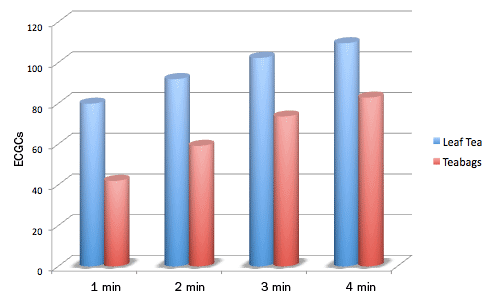
Hardly a week goes by without news of yet another research study confirming the health benefits of tea. However, not all teas are equally good for you. The chart nearby compares the ECGCs (tea's healthy flavonoids) found in our full-leaf teas versus those found in the supermarket tea bags. Unsurprisingly, the full-leaf teas yield 1/3 to 1/2 more ECGCs, delivering more benefits in each cup.
Chromadex
More antioxidants with loose tea
In Japan, folks often drink 4 to 10 cups of green tea daily, says tea researcher Lester A. Mitscher, PhD. Here's how to get the biggest antioxidant boost, Fresh brewed is best. Antioxidant catechins-the potential sniffle stoppers in green tea-break down fast. Keep it loose. Tea made from loose leaves has more antioxidants than tea bags, which tend to have lower-quality, powdered leaves. Watch your water. Chlorine in tap water can lower antioxidant levels if it is not brought to a full boil first. For the best -- tasting tea, use distilled water; the minerals in water change tea's flavor. Time it. Steep for just 2 to 3 minutes to avoid a bitter taste.Prevention, April 2003
OOLONG TEA
Oolong Tea Benefits
Oolong tea is a traditional Chinese tea variety that’s made from the same plant used to make green and black teas. The difference is how the tea is processed: Green tea is not allowed to oxidize much, but black tea is allowed to oxidize until it turns black. Oolong tea is somewhere in between the two, so it is partially oxidized. This partial oxidation is responsible for oolong tea's color and characteristic taste.Oolong tea is notable for containing l-theanine, an amino acid that reduces anxiety and increases alertness and attention. Scientists have found that l-theanine can help prevent cognitive diseases such as Parkinson’s and Alzheimer’s diseases. Oolong tea is also high in polyphenols, which are linked to lowering inflammation, preventing the growth of cancers and decreasing type 2 diabetes risk.
Penn Medicine, March 2022
WHITE TEA
White Tea Appears To Have More Potent Anticancer Qualities Than Green Tea
Known to have a delicate flavor, white tea comes from the Camellia sinensis plant that’s native to China and India. It is also the least processed tea variety.Research shows it may be the most effective tea in fighting various forms of cancer thanks to its high level of antioxidants. White tea may also be good for your teeth since it contains a high source of fluoride, catechins and tannins that can strengthen teeth, fight plaque, and make it more resistant to acid and sugar.
This variety also offers the least amount of caffeine, making it a smart choice for tea drinkers who want to avoid or limit their caffeine consumption.
Penn Medicine, March 2022
Silver Needle
This white tea is rare and a little more expensive because it can only be harvested a couple times a year. Silver needle tea hails from China and it has a mild flavor and light color, which makes it great for those of us who prefer a gentler brew.Compared to other types of teas, white tea undergoes the least amount of processing, so it retains a lot of its antioxidants (although green teas still tend to have the most antioxidants). According to Livestrong.com, studies show that Silver Needle tea may help regulate the glucose levels in your blood. However, if you are caffeine-sensitive, this type of tea contains a high amount of caffeine, due to the fact that the buds of the tea plant, which contain the most caffeine, are used.
Active Beat, August 2019
Impressive Benefits of White Tea
White tea is packed with polyphenols, which have antioxidant benefits. They help reduce chronic inflammation by protecting the body against damage from free radicals. Polyphenols like those found in white tea may help relax blood vessels, boost immunity and prevent bad cholesterol from becoming oxidized. These factors may help lower the risk of heart disease. White tea is a good source of caffeine and catechins like EGCG. These two compounds may have a synergistic effect that helps the body burn fat and boost metabolism. White tea is a great source of fluoride, catechins and tannins. Several studies have shown that these compounds can help fight bacteria that cause plaque on teeth.Studies have shown that polyphenols like those found in white tea may lower the risk of insulin resistance and improve blood sugar control. Osteoporosis is common among the elderly and may lead to fractures. Compounds found in white tea, including the polyphenols called catechins, may lower the risk of osteoporosis by promoting bone growth and suppressing bone breakdown. White tea and its compounds may protect the skin from damage linked to aging. This includes external damage from the sun’s UV rays and internal damage from cellular components that may harm the skin’s fiber network. EGCG, which is found in white tea, has been linked with a lower risk of Alzheimer’s and Parkinson’s diseases. EGCG may help fight inflammation and prevent proteins from clumping and damaging nerves, two conditions linked with these disorders.
Healthline, January 2018
White tea appears to have more potent anticancer qualities than green tea.
White tea appears to have more potent anticancer qualities than green tea, according to studies performed at the Linus Pauling Institute of Oregon State University in Corvallis. The researchers tested the tea to determine whether it could help prevent genetic mutations in bacteria, and colon and rectal cancer in cancer-prone rats. In both experiments, white tea was shown to have a strong protective effect. White tea offered significantly more protection than green tea. "I was surprised by the potency. We were not expecting that much of a good result," Dr. Santana-Rios told Reuters Health.Reuters Health, March 30, 2000
White tea helps fight viruses and bacteria
If you're trying to fight off infections and illness, sip white tea instead of green, suggests Milton Schiffenbauer, Ph.D., a microbiologist and professor at Pace University in New York City. In laboratory tests, Schiffenbauer found white tea, which has a delicate flavor, more effective than green tea at inactivating viruses, bacteria and fungi responsible for streptococcus infections and pneumonia. When it comes to fighting bugs, "white tea is about 10 percent more effective than green," he says.Shape Magazine, October 2004
White Tea has Anti-viral benefits
Studies conducted by Milton Schiffenbauer, PhD, at Pace University in New York City show that white tea extract contains antiviral, antibacterial and antifungal properties. Drinking white tea was as effective at suppressing intestinal tumors as ingesting sulindac (Clinoril), a nonsteroidal anti-inflammatory drug used for cancer treatment, in a study published in the February 2003 issue of Carcinogenesis.Better Nutrition, 9/2006 Vol 68, Issue 9